How to deal with root rot in clivia? Learn the correct method to save it in time
Clivia (Clivia miniata) is very common in our daily life and has high ornamental value. It also has medicinal value, as the whole plant can be used as medicine, because clivia contains a substance called lycorine, which is effective against digestive tract tumors and various cancers. Therefore, the planting area of clivia is now very large. However, when growing clivia, root rot often occurs. So how should root rot in clivia be handled? Let's take a look together with the editor below!
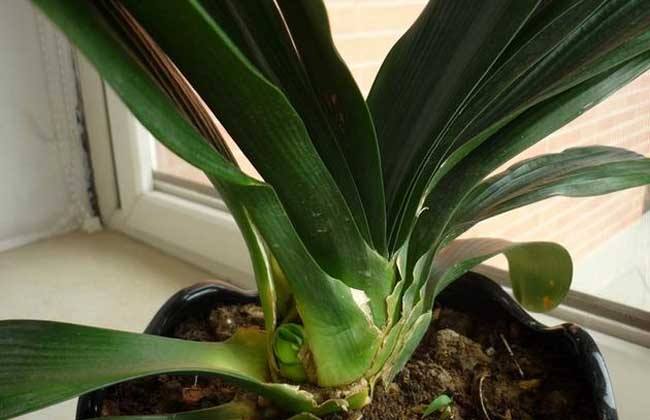
1. Mild root rot
After root rot appears in clivia, we need to check the specific condition of the rot. If the root rot is not very serious, then it can still be remedied. When the rot has just started, if it is discovered in time, promptly remove the rotten leaves at the very center of the clivia. Then wipe the exuded sap clean to avoid the surface being too moist. Then provide the clivia with a ventilated environment with suitable light, and it must not be exposed to direct sunlight. Wait until the leaf wounds have healed and dried, then normal care can be carried out. However, be careful to maintain good air humidity, which must not be too high, and try to spray water on the leaves as little as possible. In mild cases, new leaves will soon grow.
2. Severe root rot
If the root rot in clivia is severe, then promptly remove all the leaves on one side of the clivia. Be sure to remove them as early as possible to prevent water accumulation in the center of the plant, which would worsen the condition. If the leaves are cut off in time, it can prevent excessive nutrient consumption and promote the sprouting of new branches. Directly use your hands to pull off the leaves on one side of the plant, all the way to the point where the clivia's root rot is. Then use sterilized tools to remove the rotten parts, until the bulb is white. Then stop watering for about three days, and if conditions permit, it is best to change the pot and soil and replant. However, the new pot and new soil should also be properly sterilized to avoid recurrence.
3. Care after root rot
After root rot in clivia, deal with it promptly. Then increase the frequency of spraying leaf fertilizer, mainly with liquid fertilizers such as urea and monopotassium phosphate. Also appropriately apply additional fertilizer within the roots to promote the rapid sprouting of leaf buds. Then be careful to control the amount of watering; after the root rot treatment is completed, do not water for 7 days. After 7 days, keep the soil in a moist state, and absolutely no water accumulation should occur, ensuring the wounds are in a dry environment. Clivia grows relatively fast; as long as root rot is treated in time, it will sprout quickly.
The above is a brief introduction to how to deal with root rot in clivia. Root rot in clivia should mainly be prevented, because once root rot occurs, the clivia has already been harmed, so everyone should strengthen management and frequently check the growth condition of clivia to avoid unnecessary losses. That is all for today's introduction. This article is for reference only, and we hope it can help everyone!