What are the key points to note when raising Silkie chickens?
The Silkie chicken is a type of poultry with special economic value, and it is also a rare breed unique to China. It can be used for meat, has various medicinal values, and is also quite ornamental. Therefore, the scale of Silkie chicken production in China is now very large, and when we raise Silkie chickens, there are many things we need to pay attention to. So what exactly are they? Let's take a look together at the key points to note when raising Silkie chickens!
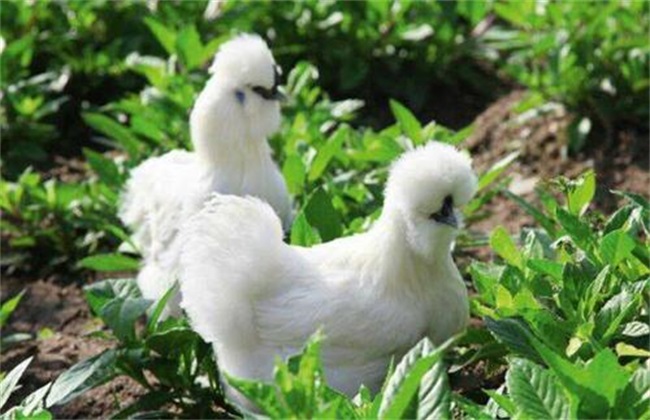
1. Stocking density
When raising Silkie chickens, the first thing to pay attention to is the stocking density. Because compared with other chicken breeds, the Silkie chicken grows relatively slowly. Therefore, its requirements for stocking density are relatively high, and we also need to adjust the stocking density reasonably according to the age of the Silkie chickens. During the brooding period, the stocking density for chicks within 10 days of age should be controlled at about 60 birds per sq m, and within 20 days it should be reduced by about 20 birds. Then by one month, raise 30 birds per sq m, at two months 18 birds, and finally reduce it to 12 birds per sq m.
2. Body condition of breeding chickens
During the growth of Silkie chickens, feed is certainly indispensable. However, when feeding Silkie chickens, we should control the feed well according to the specific purpose of the Silkie chickens. Ensure the body condition of Silkie chickens for different purposes, for example, after Silkie chickens enter the growing period. If they are to be raised as future breeding chickens, then restricted feeding work should be done well. The main purpose of restricted feeding is to prevent the breeding chickens from eating too much and becoming too fat, thereby affecting their egg-laying performance. But when restricting feed, we still need to ensure that the feed contains comprehensive nutrition, so as to avoid nutritional deficiencies in the Silkie chickens.
3. Body condition of commercial chickens
In addition to paying attention to the body condition of breeding chickens, the body condition of commercial chickens also requires our special attention. Because commercial chickens are mainly for market sale, there is no need to consider egg-laying performance. Therefore, whether for medicinal or meat use, during the growing period of Silkie chickens, there is no need for restricted feeding. It should be mainly based on high-energy and high-protein feed, allowing them to eat freely, increasing the body weight of the Silkie chickens as much as possible, and expanding breeding benefits. Under normal circumstances, when raised to 3-5 months, the body weight can reach about two jin, and at this time they can be marketed in a timely manner.
4. Preventing crossbreeding
In addition to paying attention to the body condition of future breeding chickens, we also need to strengthen their daily management work. In particular, attention should be paid to the mating work of future breeding chickens, and it is essential to prevent breeding Silkie chickens from mating and laying eggs with other chicken breeds. This is very unfavorable to the overall development of the Silkie chicken flock, because crossbreeding will lead to mixed breeds, causing a decline in the quality of Silkie chickens, and their value will also be greatly reduced as a result. If the purity of Silkie chickens declines, then breeding benefits will also be affected in many ways, so everyone must pay close attention to this.
The above is a brief introduction to the key points to note when raising Silkie chickens. That is all for today's introduction. This article is for reference only, and I hope it can help everyone!