What are the precautions for broiler chicken farming in winter?
In winter, because broiler chickens grow quickly, their adaptability to the environment declines somewhat, and factors such as feed quality can cause low feed conversion efficiency in broilers, ultimately affecting economic returns. So what should be noted in winter broiler chicken farming? Let's take a look together.
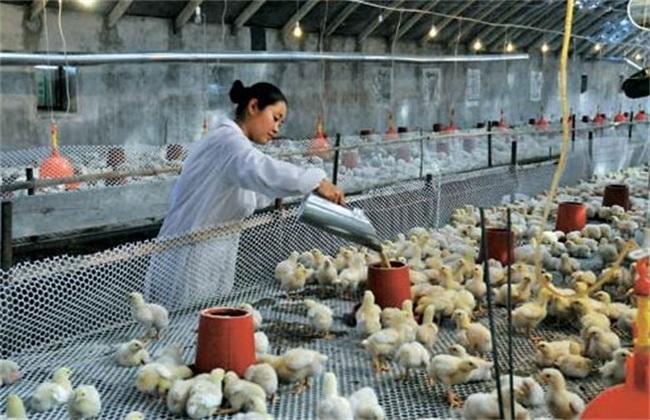
1. Timely ventilation
Winter temperatures are severe, and the temperature required inside the chicken house is worlds apart from the outside temperature, so both ventilation and heat preservation must be done well. When ventilating, be careful not to let the temperature inside the house fluctuate up and down; strictly prevent excessive temperature differences from causing stress reactions and triggering disease. The air inlets should be more than 1.5 m above the backs of the chickens. When the temperature drops suddenly, if heat preservation measures cannot keep up, broilers often catch wind-cold, developing symptoms of coughing, sneezing and difficulty breathing. Therefore, breeders should respond well to temperature changes, do a good job of cold prevention and heat preservation, and prevent drafts and cross drafts from striking the flock.
2. Prevent ammonia accumulation
Winter temperatures are severe, so in addition to heat preservation work, the flock's excrement and damp litter must also be removed in a timely manner. If not cleaned up promptly, ammonia will accumulate in the chicken house and its concentration will increase, causing ammonia poisoning in broilers or triggering disease. Moreover, because of ammonia accumulation, oxygen is relatively lacking, and combined with the severe cold, the chickens' metabolism is fast, so broilers that grow too quickly are highly prone to ascites disease. Therefore, farmers should lay more than 5 cm of litter, prevent water troughs from leaking and wetting the litter, promptly remove manure and damp litter when humidity is too high, or use ammonia-absorbing deodorizers to reduce the ammonia concentration in the chicken house.
3. Reasonable feeding
Diets should be formulated according to the feeding standards for the different growth stages of broilers. Because winter temperatures are relatively low, broilers consume more heat, so the metabolic energy standard of the feed should be appropriately raised, while the protein ratio should be appropriately lowered, and vitamin requirements should also be met. Feed should be mixed and fed fresh, and prevented from freezing; if conditions permit, it can be heated before feeding. The prepared feed must be free of mold and impurities to prevent inducing respiratory disease.
4. Feeding management
During the farming process, regular disinfection should be carried out to strictly prevent the spread of disease. Insist on disinfecting with the chickens present, eliminate rodent damage, and after an outbreak, isolate and treat sick chickens separately from healthy ones, and deeply bury dead chickens. During the farming process, reduce unnecessary stress factors as much as possible, and adopt every feasible means to get the chickens to eat, so as to ensure the body's energy needs and enhance the chickens' disease resistance.
The above introduces the precautions for broiler chicken farming in winter. We hope it can help you. If you want to learn more related knowledge, please stay tuned to us.