Key Technical Points for Feeding and Management of Partridge chickens During the Brooding Period
The Partridge chicken is a native chicken breed in China and is raised across a very large area in the country. The Partridge chicken is also a dual-purpose breed for both eggs and meat, is rich in nutrients, and is very popular with many people. When raising Partridge chickens, we need to adjust our feeding methods according to their growth stage. So how should they be raised during the brooding period? Below, the editor will give you a brief introduction. Let's take a look!
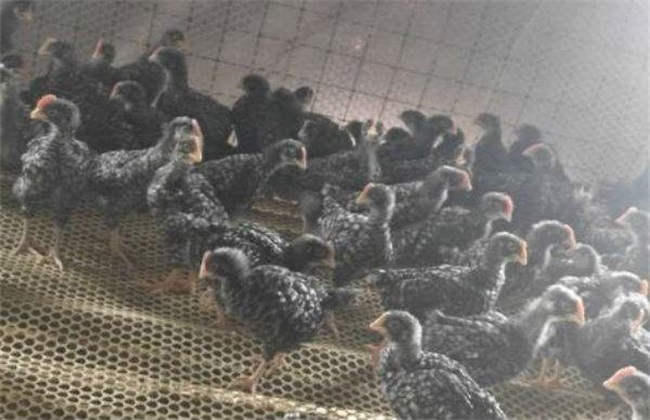
1. Timely first drink
The first drink for Partridge chicken chicks is generally best given as early as possible, because after hatching, the chicks' body moisture is consumed in large amounts. Therefore, advancing the chicks' first drink time has a great bearing on their growth and even their survival rate. Early drinking can also promote the peristalsis of the chicks' digestive tract, enhance the chicks' appetite, and improve the feed absorption rate and the chicks' survival rate. When giving water, an appropriate amount of glucose and water-soluble vitamins, etc. can be added to the water, which can both supplement energy and improve the chicks' disease resistance. During the first week of drinking, it is best to use drinkers, changing the water about 5 times a day, without cutting off the water, cleaning the drinkers once a day, and disinfecting once every two weeks.
2. Timely start of feeding
The start of feeding for Partridge chicken chicks after hatching is very important and directly affects the later growth of the Partridge chickens. The start of feeding for Partridge chickens should be about three hours after the first drink. For the feed to start feeding, some puffed pellet feed can be chosen, such as complete feed for small broilers, etc. The amount fed each time must not be too much; feeding about one gram per chick is enough, but feed often, about once every three hours. After the feed is mixed evenly, it can be scattered directly onto the feed tray; starting on the fourth day, feed buckets can be used for feeding, also feeding about 4 times a day.
3. Temperature control
For the first three days after hatching, the temperature for the chicks should be controlled at around 34 degrees; if the chicks are in poor condition, then it should be appropriately raised by about one degree. Then within one week the temperature should be kept at around 32 degrees. The temperature must be kept uniform, which is very important for the chicks' growth and development. The temperature difference between each part of the chicken house should not exceed one degree; if the temperature is not uniform, then the chicks' development will also be uneven, causing the difficulty of brooding to rise. Then, when the chicks are being weaned off heat, attention must also be paid to stability, keeping the daily temperature drop at around 1 degree. Ensure a smooth heat withdrawal so the chicks can pass through the brooding period safely.
4. Humidity regulation
The humidity inside the chicken house also requires our close attention, and the humidity should be kept at around 50%. If the humidity is insufficient, then Partridge chicken chicks are prone to dehydration; if the air is too dry, there will also be more dust, which will cause greater harm to the chicks' respiratory tract and easily trigger respiratory diseases. The humidity should also not be too high, otherwise it can also easily trigger various diseases. Then note that if adverse chicken house environments such as high temperature and low humidity, or high humidity and low temperature, are encountered, various methods such as disinfection with the chickens present, ventilation, and heating should be adopted for adjustment, to create a good growing environment for the chicks.
The above is a brief introduction to how to raise Partridge chickens during the brooding period. That is all for today's introduction. This article is for reference only, and I hope it can help everyone!