How to keep fish in a pond so they are less likely to die
In recent years, China's fish farming industry has been developing better and better. Pond fish farming is also continuously promoting high-density domesticated fish farming in order to increase the per-unit yield of pond fish. However, when farming fish in ponds, various problems often easily arise and cause fish deaths, seriously affecting farming benefits. So how should fish be farmed in ponds so they are less likely to die? Below, the editor will give a brief introduction for everyone. Let's take a look together!
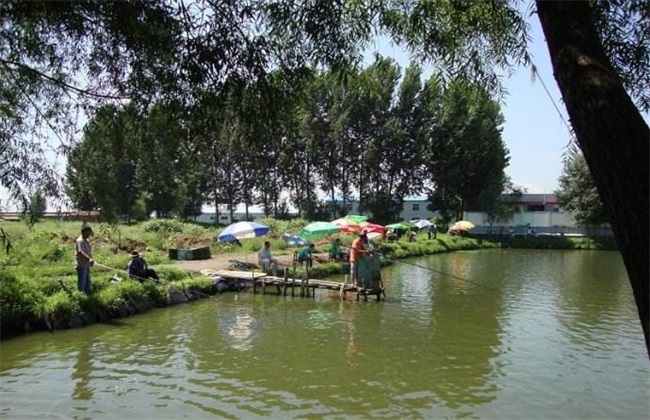
1. Water quality management
During fish farming, we must pay close attention to changes in water quality. It is best to patrol the pond about three times a day to avoid sudden water quality changes. When a large amount of blue-green algae appears in the pond, drain about half of the pond water promptly on a sunny day. After draining, splash an appropriate amount of copper sulfate and other agents into the pond. Then, about 4 hours after applying the chemicals, inject new water into the pond. Make sure the new water does not contain substances such as blue-green algae, ensure water quality, and then directly fill the pond to its original water level.
2. Prevent oxygen deficiency ⟧7⟧If there is a lack of oxygen in the pond, it is fatal to fish growth. When the pond lacks oxygen, fish will show the phenomenon of floating to the surface to gasp for air. In severe cases, the fish's belly faces upward and they swim weakly. At this time, be sure to add new water promptly. When adding water, be careful to avoid stirring up splashes as much as possible, and do not make noise or start the aerator, so as to avoid frightening the fish. Let the water form a circular flow to promptly alleviate the fish's oxygen deficiency. If the floating-to-the-surface phenomenon is mild, then oxygen can be added to the water, or an appropriate amount of chemical oxygen-increasing agent can be sprinkled in.
If a pond lacks oxygen, it is deadly to the growth of fish. When a pond is short of oxygen, fish will come to the surface to gasp for air, and in severe cases their bellies turn upward and they swim weakly. At this time, be sure to add fresh water promptly. When adding water, be careful not to stir up splashes if possible, and do not make noise or turn on the aerator, to avoid frightening the fish. Let the water form a circular flow to promptly ease the fish's oxygen shortage. If the gasping at the surface is mild, you can add oxygen to the water or sprinkle in an appropriate amount of chemical oxygen-releasing agent.
3. Prevent poisoning
The reason fish often die suddenly is poisoning. The first is ammonia poisoning. Ammonia poisoning generally occurs in winter and spring each year. At this time, the temperature is relatively low, and fish are very prone to sudden death in large numbers. The main reason is that the sludge at the bottom of the pond is too thick, or too much fertilizer is applied, causing excessive ammonia and leading to fish poisoning and death. Therefore, sludge should be cleared and water changed promptly. Also, if pesticides flow into the pond, it can also very easily cause fish poisoning and death. If fish are poisoned by pesticides, there is basically no way to rescue them, so pesticides must be prevented from flowing into the pond.
4. Reasonable operation
In fish farming, if various daily operations are improper, it can also very easily cause fish deaths. Among these, density must be paid attention to. During the peak fish sales season, many people generally choose to catch the fish and place them temporarily in net cages. However, they do not control the density well, causing the fish in the net cages to press against each other as they grow. Especially with submerged net cages, if wind and waves occur, the fish will gather against the waves, causing severe local oxygen deficiency, leading to mass deaths and seriously affecting farming benefits.
The above is a brief introduction to how to farm fish in ponds so they are less likely to die. In addition, we should also pay attention to rational drug use and do a good job in disease prevention. That is all for today's introduction. This article is for reference only. Thank you for reading and supporting.