What are the key points to note in bream farming? Getting these few things right is crucial
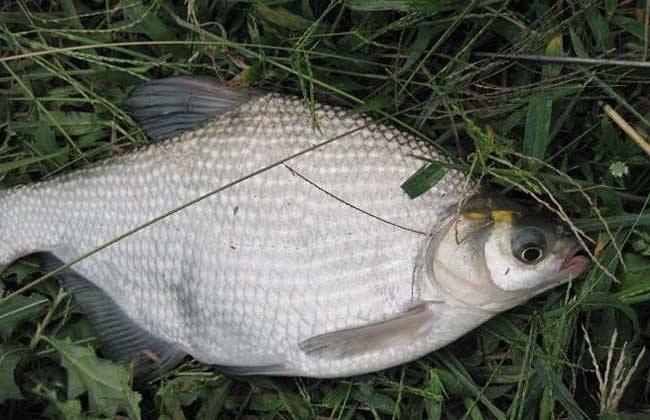
Bream is what we commonly call Wuchang fish, named for its small head and flat, wide body. Its flesh is rich in protein and various substances beneficial to the human body, with extremely high nutritional value. After eating it, it can help digestion and soften blood vessels, so more and more people are farming it now. So what should be noted when farming bream? Let's take a look together.
1. Pay attention to feed quality
Many farmers do not pay much attention to feed quality during feeding. If the feed spoils or becomes moldy, the bream will contract diseases after eating it, which then affects other bream and causes large-scale infection. This is extremely harmful to bream farming. Therefore, when feeding, be sure to pay attention to feed quality and do not be greedy for small bargains. Once feed is found to be moldy, it should no longer be fed.
2. Excessive use of drugs
The bream farmed now are excellent varieties that have gone through multiple rounds of breeding. Many farmers often use drugs to enhance their drug resistance, but if drugs are used excessively, the bream will have adverse reactions. Therefore, farmers must pay attention to drug dosage during farming, and using enough to achieve the preventive and control effect is sufficient. The standard for each drug is different, so it should be used according to the instructions combined with the actual situation.
3. Poor water quality control
Bream has strong adaptability and is farmed in both the north and south, but many farmers often do a poor job of controlling water quality. If bream live in a poor water quality environment for a long time, they cannot grow well and are highly prone to disease. To avoid this situation, water quality control must be done well in normal times. Equipment can be placed in the water to monitor water quality in real time, and once water quality is found to have deteriorated, it must be regulated promptly.
4. No continued care after disease prevention and treatment
Many farmers stop paying attention after preventing and treating diseases, and do not care about follow-up care work. After the disease is resolved, the bream's constitution is still relatively weak. At this time, the pathogens in the water have not been completely removed. If care is not provided at this point, reinfection is very likely to occur, and once it happens, it becomes difficult to prevent and control.
The above is an introduction to the key points to note in bream farming. We hope it can help you. To learn more related knowledge, please keep following us.