What are the key points of daily management for cage fish farming?
Cage fish farming is now a very popular fish farming model. Cage fish farming is not limited by water areas and can be carried out in most water bodies. It can also save a large amount of land resources and water resources, and it is also very helpful for the fish production of major water bodies. So how should it be managed during cage fish farming? Below, the editor brings you the key points of daily management for cage fish farming. Let's take a look!
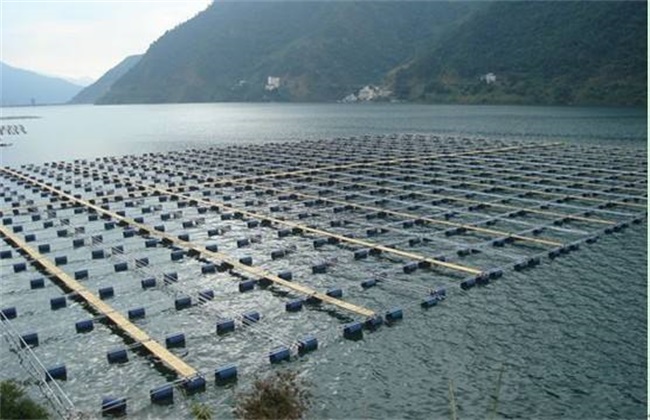
1. Inspect the cages
Inspecting the cages is the primary management task in cage fish farming. It must be done frequently both before and after the fish fry are put into the cages. We need to check whether there are fish outside the outer net. If there are fish, then whether the fish in the cage have decreased, etc., all of these must be checked frequently. We should also conduct a comprehensive and careful inspection of the cage body on a regular basis to see whether the cage body is damaged or has other adverse conditions. When inspecting the cage body, we should inspect it comprehensively while also being careful not to disturb the fish school.
2. Remove dirt
After the cage enters the water, it is very easily colonized by organisms, which can also easily cause the mesh to become blocked and have a great impact on water exchange. At the same time, the removal of fish feces and leftover bait in the cage, as well as work such as replenishing dissolved oxygen, will also be hindered. Therefore, we should pay attention to regularly removing dirt from the cages. When removing dirt, the netting can be lifted directly and shaken or patted to knock the dirt off. If conditions permit, machinery can also be used directly for cleaning, reducing labor input and improving work efficiency.
3. Preventive inspection
In cage fish farming, if the cages are hit by natural disasters such as strong winds, big waves, and heavy rain, the damage to the cages is very great. Therefore, we should pay attention to observing weather changes and checking weather forecasts. Before natural disasters arrive, preventive inspections should be carried out on the cages. Reinforce the cages and check the firmness of each cage. If they are floating cages, then they should be moved to a safe area. At the same time, after severe weather, a comprehensive inspection of the cages should also be carried out, and if there are problems, they should be dealt with promptly.
4. Prevent fish diseases
In cage fish farming, although the methods for preventing and treating fish diseases are similar to those in traditional fish farming, because cages are used for high-density farming in large water bodies, whole-cage splashing cannot be used for prevention. First, we must control bait feeding well to avoid fish diseases caused by nutritional deficiency in fish due to an imbalanced nutritional ratio in the bait. Do not feed moldy bait either. When mixing additives, be sure to stir thoroughly, otherwise it will also affect the growth of the fish. If diseased fish or dead fish are found, they should be promptly taken out for harmless treatment to avoid the spread of the disease. Then prevention should also be carried out through medicated baths, medicated bait, and other drugs.
The above is a brief introduction to the key points of daily management for cage fish farming. That is all for today's introduction. This article is for reference only, and I hope it can help everyone!