What are the causes and solutions for yellowing leaves on a philodendron?
Philodendron is a plant of the Araceae family with extremely high ornamental value, and it can also purify the air. It can be seen in major public places across our country, but many friends have found during the process of growing it that its leaves turn yellow. What is going on here? How should it be solved? Let's take a look,
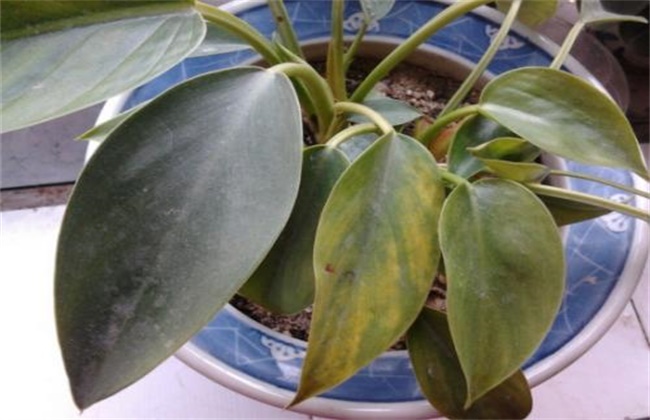
1. Unsuitable temperature
Philodendron is a plant that tolerates high temperatures slightly but not cold. When the temperature is below 10 degrees, its leaves may show yellowing, and when the temperature is above .5 degrees, its leaves may also develop scorched edges. So in both low-temperature environments in winter and high-temperature environments in summer, its leaves may show yellowing.
Solution: During care, be sure to pay attention to temperature changes. When the temperature rises or falls, prepare in advance. In summer, move it to a shaded environment for growing. When it exceeds 30 degrees, take ventilation and cooling measures. In winter, the temperature should not be too low, and it is best to place it in a greenhouse for care.
2. Light that is too strong or too weak
Philodendron is suitable for care in a semi-shaded environment. If it is placed under strong direct sunlight, its leaves are very easily scorched, and yellowing is very likely to occur. Conversely, if it is placed in a low-light environment for a long time, its leaves will wither because of fading, and it may even become leggy.
Solution: When placing it, be sure to pay attention to whether the environmental light is suitable. It should neither be exposed to direct sunlight nor lack light. When growing it indoors, it is best to place it on a balcony, by a window, in the living room, and in similar places. If planting it in a courtyard, appropriate shading is needed.
3. Fertilizer that is too concentrated or excessive fertilization
Philodendron's fertilizer needs are different in each season, but no matter which season it is, one point must be noted when fertilizing: the concentration must not be too high and the amount must not be too much, otherwise the new leaves will become uneven and the old leaves will also show yellowing.
Solution: At this time, stop the wet rot immediately, then water to reduce the fertilizer concentration. You can also bury some radishes around the roots for planting, letting them absorb the excess nutrients, and pull them out after they sprout. If it is caused by long-term excessive fertilization, then the soil needs to be replaced.
4. Overwatering
During the vigorous growth period, philodendron needs more water, so watering should be timely. However, many friends water too much, causing the soil to be too wet, or water accumulates in the soil for a long time. In this way, the root system will rot. Once the root system is damaged, the plant will wither and die.
Solution: Pay attention to watering frequency and amount. When watering, if you find that the soil is too wet, do not continue watering. For the second watering, wait until the soil surface turns white before watering. If caring for it outdoors, then shelter it from wind and rain to prevent rainwater from accumulating and causing root rot.
The above is an introduction to the causes and solutions for yellowing leaves on philodendron. We hope it can help you. To learn more related knowledge, please stay tuned to us.