How to grow Cyrtanthus? Here comes a detailed guide to cultivation methods
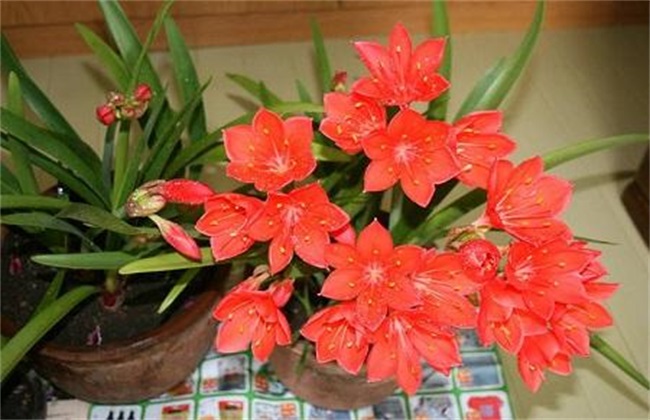
Cyrtanthus is a perennial bulbous herbaceous plant in the Amaryllidaceae family, also known as George lily. It is widely distributed in the common middle and lower reaches of rivers in China, and its ornamental value is very high. Therefore, it is also loved by many people, so more and more people are now growing Cyrtanthus. So how should Cyrtanthus be grown? Today, the editor brings you the cultivation methods for Cyrtanthus. Let's take a look below!
1. Propagation methods
The commonly used propagation methods for Cyrtanthus are seed propagation and division propagation. If using seed propagation, it should generally be carried out in June to July each year. Usually, germination occurs about three weeks after sowing, but if propagated by seed, it takes about three years of care before it can bloom. Therefore, division propagation is used more often. Division propagation is carried out in February to March each year. Take the Cyrtanthus plant out of the soil, then trim off rotten roots and some overly long roots, clean and disinfect them. Then separate the plant together with the roots into small clumps, and plant them into another pot. Provide a shady environment for them, and after they gradually adapt, they can grow normally.
2. Water and fertilizer management
During the growth process of Cyrtanthus, the demand for water is relatively high. However, when watering normally, be careful not to water too frequently; just keep the soil slightly moist. Usually water once about every half a month. In summer, watering can be appropriately increased, while in winter the amount of watering should be reduced to avoid excessive water causing root rot and freezing damage to the Cyrtanthus plant. Then do a good job with fertilization. In spring and autumn, apply fertilizer once about every month. The fertilizer should mainly be phosphorus and potassium fertilizer. Apply overwintering fertilizer once when winter begins, and no fertilization is needed at other times.
3. Light and temperature
When growing Cyrtanthus, we should pay attention to providing it with sufficient sunlight. But we should also pay attention to controlling the light intensity. Except in summer, it can receive direct sunlight at other times. However, in summer, because the light is too strong, pay attention to setting up a shade net and do not let the plant receive direct sunlight, to prevent leaf scorching and adverse phenomena such as yellow leaves and leaf drop and wilting. Then during the growth of Cyrtanthus, the temperature should be controlled at around 20 degrees. If the temperature is below 10 degrees, it will inhibit the growth of Cyrtanthus, and below 5 degrees it will cause freezing damage to the plant, so temperature control is also very crucial.
4. Other management
Cyrtanthus also has certain requirements for soil. Cyrtanthus likes to grow in soil that is soft, highly permeable, retains fertilizer and water, and is rich in organic matter. Suitable soil is very crucial for the growth of Cyrtanthus. Then in February to March each spring, we should pay attention to doing a good job of pruning. Cut off diseased branches, old branches, and other branches that have lost value from Cyrtanthus. Then clean up some fallen leaves to ensure that the Cyrtanthus plant has sufficient nutrients for growth and to improve its ornamental value.
The above is a brief introduction to the cultivation methods for Cyrtanthus. That's all for today's introduction. This article is for reference only, and I hope it can help everyone!