What should be noted when introducing goats?
With the development of the livestock industry and the improvement of people's living standards, the demand for meat has increased, and the demand for mutton has also increased accordingly. The rise of the goat farming industry has driven the enthusiasm for raising sheep in rural areas in many regions. In order to develop goat farming, pig farmers have successively introduced goat farming, and to avoid unnecessary losses in the process of raising sheep, attention must be paid when introducing goats. Let's take a look at several points to note when introducing goats.
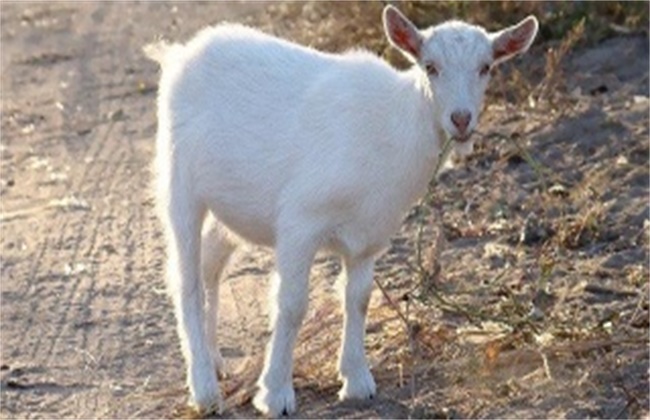
1. Farming environment
Before farming, you must first check whether the local environment is suitable and whether forage is sufficient. These are the main factors related to whether sheep farming will succeed. The growth environment of sheep includes altitude and temperature. If goats from low altitudes are introduced to high altitudes for farming, they are highly prone to respiratory diseases; if goats from hot regions are introduced to cold regions, the lambs are highly prone to freezing to death. Therefore, all of these must be considered clearly before introduction. In addition, sheep farming requires sufficient forage. Once the forage supply problem is solved, sheep farming is half successful.
2. Introduction of breeding goats
Before introduction, you must consider the product positioning of the goats, whether they are to be sold as meat goats or breeding goats. If they are meat goats, rams and ewes can be of different breeds, because crossbred goats have the advantages of fast growth, good meat production performance, and a high slaughter rate; if they are breeding goats, the rams and ewes must be of the same breed to ensure pure quality. Before introduction, there is also the occurrence of diseases to consider. The breeding goats to be introduced must undergo antibody testing, and both the source area and the introduction area need to carry out advance immunization against common diseases.
3. Transport precautions
Before transporting breeding goats, they need to be injected with vaccines against common diseases. After half a month, testing for foot-and-mouth disease and brucellosis should be carried out. Those that do not pass must be promptly removed, and only after all have passed can they be transported. Two hours before transport, feed only a small amount of hay and water to avoid gastrointestinal damage to the goats during transport. The transport vehicles should be thoroughly disinfected. You must be clear about the epidemic diseases in the areas along the route. If a disease occurs, preparations must be made in advance to avoid infection.
4. Isolation and observation
After reaching the destination, the goats' body condition should be improved as soon as possible to enhance their resistance to various diseases, reduce the occurrence of disease, and lower the mortality rate. After arriving at the farm, feed a small amount of hay and salt water that same day. On the second day, use feeders from the source area for transition. After three days, add concentrated feed, then gradually switch to the forage of the introduction area. Generally, a one-week transition is needed. Breeding goats need to undergo isolation and observation, and only after one month, when it is confirmed that there is no disease or abnormal condition, can they be mixed into the flock for raising.
The above is an introduction to the points to note when introducing goats. We hope it can help you. If you want to learn more related knowledge, please follow us.