Detailed Explanation of the Key Technical Points for Pasture-Raising Growing Cattle
Cattle farming covers a very large area in China. When raising cattle, cattle go through multiple stages. Among them, the growing stage is one of the most important periods in the entire reproductive cycle of cattle. Cattle in this period are called growing cattle, and when raising growing cattle, management work is very important. Pasture-raising work must also be done well, so how should growing cattle be pasture-raised? Let's take a look below at the pasture-raising techniques for growing cattle!
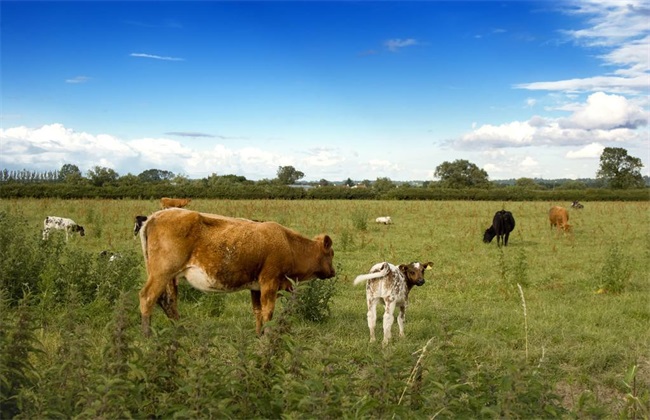
1. Grouped Grazing
When pasture-raising growing cattle, pay attention to grouping them for grazing according to their sex. If they graze together, then during grazing, random mating may occur. Random mating may lead to inbreeding, reducing the growth performance of the next generation, and causing problems such as poor calf constitution and weak disease resistance. Moreover, if a cow mates too early, it will also have a great impact on the cow's breeding value, reducing the cow's calving rate. These problems will seriously reduce the breeding benefits of growing cattle, so if the herd is large, grouping must be used during grazing.
2. Grazing Density
When pasture-raising growing cattle, we must also pay attention to strictly controlling the grazing density. The specific density standard should be adjusted according to the area of the pasture and the growth conditions of the forage grass. If in mountainous areas, because forage resources are relatively scarce, the number of cattle in each group should not exceed 50 head. On the contrary, if in areas rich in forage resources, then each group should be controlled at around 200 head. A reasonable raising density can improve production efficiency for large herds, while small herds have the advantage of being easy to manage.
3. Grazing Time
Then we must also pay attention to grazing time. During grazing, grazing must absolutely not be carried out in the severe cold of winter or when spring grass has just turned green. Because in the severe cold of winter, not only is the temperature low, but forage resources are also very scarce. And if it is in early spring when the grass has just turned green, then during grazing, the herd is prone to "chasing green" behavior. This will not only reduce the growth rate of growing cattle, but also cause great damage to the pasture. The best grazing time each year is to wait until the forage grass has grown to about 10 cm.
4. Pay Attention to Supplementary Feeding
When growing cattle are pasture-raised, supplementary feeding work is also very important. Especially in spring and early winter, supplementary feeding must be done well. It should usually be carried out when the herd is resting, so that it will not affect the normal growth of the herd and can also improve the utilization rate of forage resources. When supplementary feeding, pay attention to the supplementation of mineral feed, because when the herd is grazing, mineral intake is relatively low. This has a relatively large impact on the weight gain of the herd, so some mineral lick blocks can be placed in the cattle pen to let the growing cattle eat freely, avoiding the occurrence of mineral deficiency.
The above is a brief introduction to pasture-raising techniques for growing cattle. That's all for today's introduction. This article is for reference only, and we hope it can help everyone!