How to prune clematis? A step-by-step guide to pruning methods
Clematis is a fairly common flowering plant in China, with a large growing area. Clematis can be cultivated in gardens for ornamental purposes, and its roots can also be used as medicine to treat problems such as difficult urination and abdominal bloating. When growing clematis, we need to prune the plants. So today, the editor brings you the pruning methods for clematis. Let's take a look below!
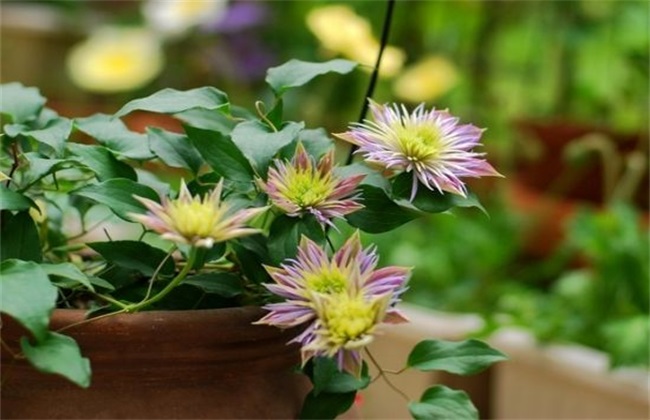
I. Pruning time
When pruning clematis, the timing of pruning is very important. Pruning should generally be done in late winter and early spring. This is because after winter arrives, not only is the temperature relatively low, but the air is also relatively dry. The branches and stems of clematis will gradually dry out because of this, and together with the severe cold, some branches may be frozen to death. Therefore, everyone must pay attention to the pruning time. Finally, if the winter wind is relatively strong, the dead branches should be secured, and pruning should be done after the temperature rises in spring.
II. Pruning methods
1. Type 1 pruning
When pruning clematis, we should divide it into three pruning types according to the growth conditions of the clematis. Type 1 pruning is mainly for clematis that blooms early or has not been planted for very long. This kind of clematis usually blooms on old branches, each flower stalk will have one flower, and it only blooms without producing new shoots. Therefore, after it blooms, we should cut off the flower stalks and spent flowers. Whether to cut off the branches can be decided according to the actual situation, and the effect is usually not too great.
2. Type 2 pruning
The main purpose of Type 2 pruning is to speed up the flowering of old branches, so that old branches can bloom as soon as possible. At the same time, it improves the flowering rate of late flowers on new branches. To put it plainly, it allows branches grown in the previous year to bloom in late spring, and branches grown in the current year to bloom in late summer. Therefore, we should prune in late winter and early spring, when the clematis is still in its dormant period. Keep some branches, and carry out hard pruning every few years to encourage the clematis to sprout more side buds and increase its flowering rate.
3. Type 3 pruning
Type 3 pruning is mainly for some late-flowering varieties. For late-flowering clematis varieties, the flowering period of branches grown in the current year is generally in late summer. Therefore, if we want to increase the flowering rate of this kind of clematis, we should cut off all branches in late winter. Just keep about 3 plump buds on the lower part of the plant. In this way, the number of new branches and new buds can be increased, ensuring normal flowering in late summer.
The above is a brief introduction to clematis pruning methods. That is all for today's introduction. This article is for reference only, and I hope it can help everyone!