Detailed Explanation of Feeder Cattle Fattening Techniques and Methods
Feeder cattle are a type of cattle breed, mainly produced by crossbreeding introduced foreign breeds such as Limousin and Charolais with local Chinese cattle breeds. The meat quality of feeder cattle is very good, their growth rate is relatively fast, and they have high feed conversion efficiency. Nowadays, it is a breed that many people prefer to raise. So how should feeder cattle be fattened when raising them? Below, the editor brings you the fattening techniques for feeder cattle. Let's take a look!
1. Fattening Methods
The fattening methods for feeder cattle are generally divided into three stages: a 10-15 day transition period, a 15-65 day early fattening period, and a 65-120 day late fattening period. During the transition period, feeder cattle should be given about half a month to adapt to the rearing environment and feed. The diet should be mainly roughage; first feed some rice straw, wheat straw and other grain straws, then add an appropriate amount of green feed. Control the amount of concentrate added; it should not be too much, about 0.5 kg per head per day is sufficient. When feeding, it can be mixed with roughage and fed together, and then the feeding amount can gradually be increased to about 1% of body weight to help them pass through the transition period as quickly as possible.
Then, after entering the early fattening period, the dry matter intake of feeder cattle will gradually reach about 8 kg. The ratio of concentrate to roughage is about 55:45. Under normal circumstances, they can gain about 13 kg per day. In the late fattening period, the dry matter intake needs to increase by 2 kg. The proportion of concentrate should be raised again. When feeding feed, the principle is concentrate first, then roughage. First add silage to the trough and let the feeder cattle eat freely; after about half an hour, add the concentrate and mix it thoroughly with the silage to ensure every head of cattle can eat its fill.
2. Rearing Methods
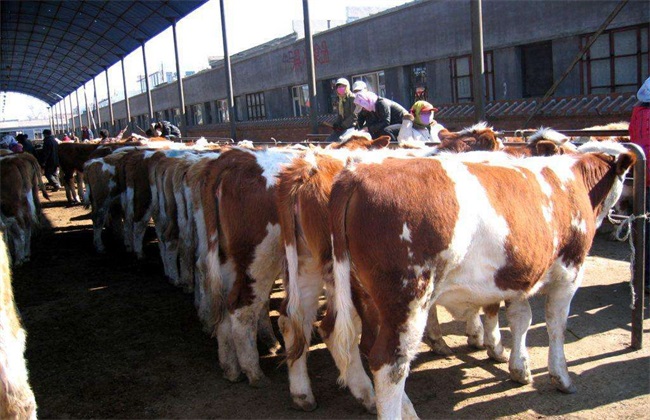
The rearing methods for fattening feeder cattle are mainly divided into loose-housing rearing and tethered rearing. In loose-housing rearing, fattening cattle of similar body weight, breed and age should be kept together. This can effectively adjust the feed and also control the feed intake of the beef cattle, achieving the goal of all-in, all-out. In tethered rearing, the stalls also need to be assigned according to the body shape, strength and weakness of the beef cattle for tethered rearing. This allows every head of cattle to eat evenly, reduces fighting and mounting behavior among beef cattle, and promotes weight gain, but it requires more manpower and the utilization rate of the cattle shed is also relatively low.
3. Management During the Fattening Period
During the fattening period, feeder cattle are fed about twice a day, in the morning and evening respectively. Control the concentrate feeding according to requirements; roughage can be provided for the beef cattle to eat freely. About 30 minutes after feeding, let them drink water and avoid excessive exercise. During high-temperature periods, do not feed during the midday high-temperature time slot. Maintain good environmental hygiene to prevent the beef cattle from being bitten by mosquitoes and flies and contracting infectious diseases. Observe the growth of the cattle frequently every day, and deal with abnormalities promptly when found. Then, adjust the diet according to the growth and feed intake of the cattle, and cull cattle with slow weight gain in a timely manner.
The above is a brief introduction to feeder cattle fattening techniques. That's all for today's introduction. This article is for reference only, and I hope it can help everyone!