What are the cultivation methods and precautions for Photinia × fraseri (red tip photinia)?
Photinia × fraseri is a fine landscape ornamental plant, deeply loved by many people, and it can also be grown as a cash crop. It is planted on a large scale in many regions of our country. So how should it be cultivated as a potted plant? Let's take a look together.
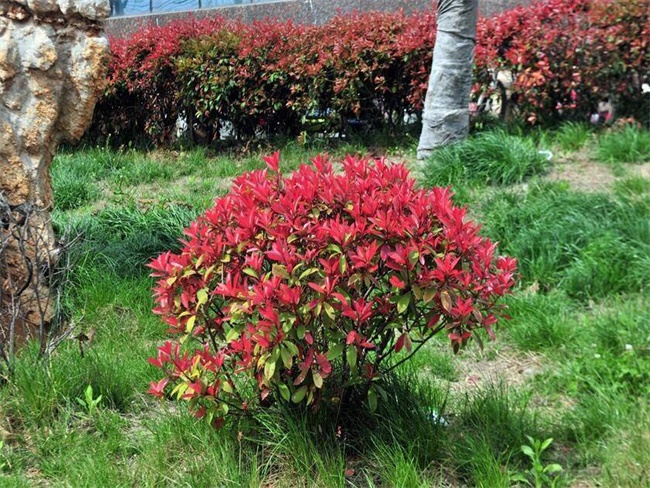
I. Cultivation methods
1. Temperature and light
Photinia × fraseri grows best in an environment of 15-30 degrees. Although it has excellent shade tolerance, during care it still needs to be given sufficient scattered light, so that it can grow better and its leaves can be more vivid and beautiful.
2. Fertilizing
During the peak growing season of Photinia × fraseri, fertilizer should be applied reasonably to provide sufficient nutrients for its growth and development. This is generally done in spring, summer and autumn, usually applying a thin liquid fertilizer once every half month. In winter, when the temperature is lower, the plant enters dormancy and fertilizing should be stopped, so as to avoid fertilizer buildup burning the roots and causing poor growth and development of Photinia × fraseri.
3. Keep the soil moist
Photinia × fraseri can grow better in moist soil, so when it is dry, water it promptly to keep the soil somewhat moist. However, when watering, the amount of water should be controlled, so as to avoid water accumulation in the soil causing root rot and affecting its growth, and in severe cases possibly causing death.
4. Preventing and controlling pests and diseases
During the cultivation of Photinia × fraseri, pest and disease prevention and control should be done well. For diseases such as gray mold and leaf spot, they can be prevented and controlled by technically removing diseased leaves and spraying fungicide solution. For pests such as aphids and scale insects, regular insecticide spraying should be carried out, so that they no longer grow under the threat of pests.
II. Precautions
In order to give Photinia × fraseri better ornamental value, its vigorously growing and dense branches need to be pruned to shape a good tree form. In winter, heading back and thinning pruning should be done well so that it can overwinter better, while in ordinary seasons only light pruning of branches and leaves is needed. And when it is growing vigorously, semi-lignified young shoots can be cut from a robust mother plant for cutting propagation.
The above is an introduction to the cultivation methods and precautions for Photinia × fraseri. I hope it can help you. To learn more related knowledge, please follow us.