The Role of Sand Litter in Chicken Coops and Detailed Notes on Its Use
In chicken farming, many breeders like to spread a layer of sand in the chicken coop. Many laypeople may not understand the reason for doing this, but in fact, spreading a layer of sand on the coop floor has many benefits. Let's learn about them together below.
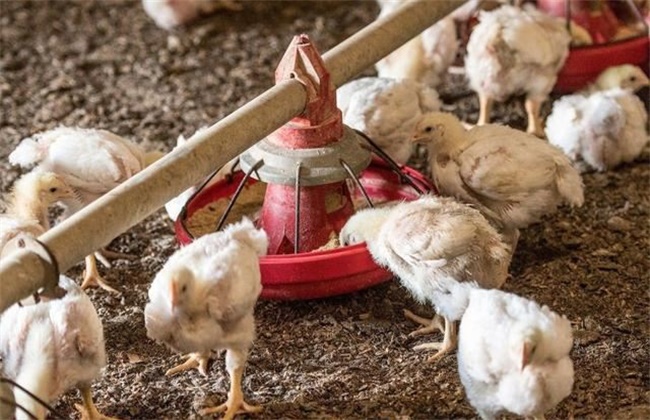
I. The role of sand litter in chicken coops
1. Aids digestion
Chickens quite like eating sand grains, which can promote the digestion of food in their stomach and improve feed utilization. After sand is spread in the coop, they can eat sand grains at any time.
2. Heat dissipation
Chickens have no sweat glands on their body surface and also have a full coat of feathers. In summer, when temperatures are high, they are very prone to heatstroke. After sand is spread in the coop, chickens can increase contact between their skin and the sand grains, release heat, and effectively prevent heatstroke. Under normal conditions, the most suitable growing environment temperature for chickens is 20-25 degrees, and the best ambient temperature for egg laying is 13-15 degrees.
3. Moisture absorption
Sand can absorb water. Spreading sand once in the chicken coop can keep the coop dry and prevent the floor from becoming damp. The best laying humidity for laying hens is 50%-55%. When air humidity is below 45%, dust flies around in the coop, and respiratory diseases are very likely to occur. However, when humidity is above 75%, the chickens' feathers become dirty and sticky, leading to the occurrence of some diseases.
4. Disease prevention
After sand is spread in the chicken coop, it can keep the coop and activity area dry and keep the air fresh. After sand grains are exposed to the sun, many pathogenic bacteria can lose their vitality, thereby reducing the occurrence of diseases. Also, after chickens take sand baths, parasites on their body surface can be killed.
II. Notes on sand litter
The sand grains spread in the chicken coop should be clean and hygienic and replaced in a timely manner. Damp sand grains with chicken manure are not good for the growth of the flock. They should be removed at the proper time, placed under the sun to be exposed, and only reused after chicken manure and other filth are removed. The sand grains should be spread at a thickness of 3-5 cm, and should not be too deep. Screened fine sand is best. If conditions permit, a sand bath pool can be built in the chicken coop or activity area, and the size of the pool can be determined according to the number of chickens.
The above is an introduction to the role of sand litter in chicken coops and notes on its use. We hope it can help you. To learn more related knowledge, please stay tuned to us.