What are the precautions for grazing sheep in spring? Keep these points in mind
Raising sheep is very common in our country, and when raising sheep, grazing work is essential. When grazing, we must adjust the grazing method according to the season. Moreover, the precautions during grazing differ depending on the season. This is especially true in spring, so what should be noted when raising sheep and grazing in spring? Below, the editor brings you the precautions for grazing sheep in spring. Let's take a look!
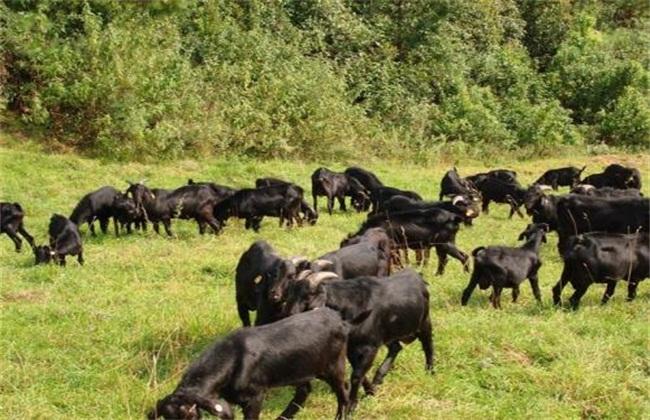
1. Do not graze too early
In spring, we should pay attention to controlling the timing of spring grazing. Do not graze too early; if you graze too early, it will cause great damage to the pasture and lead to pasture degradation. Moreover, in the early spring season, when regreened grass sprouts and grows, its nutrient source mainly relies on the stored nutrients of the previous old grass. Generally, this can meet the growth nutrients of regreened grass for about three weeks, and starting from the 20th day, the new grass needs to draw from the soil to ensure grass yield. If grazing is too early, the grass's nutritional needs will be disrupted, reducing the grass's regrowth capacity, which is very inadvisable.
2. Do not graze freely
When raising sheep, grazing is mainly a measure to save feed and reduce breeding costs to improve breeding efficiency. However, when grazing, we must not graze freely. If the sheep are simply driven into the pasture and left unattended, the harm caused is very great. First, it cannot bring out all the benefits of the forage grass, wasting forage resources. Moreover, if sheep graze in the same pasture every day, they are very likely to become infected with parasites. In addition, it easily speeds up pasture degradation and reduces pasture utilization.
Therefore, when grazing, we should reasonably divide the pasture into several small plots. Then, in each area, use a rotational grazing method and keep the flock fixed. In this way, it can effectively improve grassland utilization and the carrying capacity per unit area of the pasture. It avoids severe trampling of forage grass, enhances the growth of forage grass, and increases grass yield. The improvement of forage grass quality is very beneficial to the sheep's milk production, meat production, and other productivity. It can also effectively reduce parasite infection. Therefore, when grazing, everyone must remember not to graze freely.
3. Do not graze in a "chasing green" manner
When grazing in the early spring season, because the temperature is still relatively low, the sprouting speed of green grass is not fast. Although it looks like grass is everywhere, its quality is relatively low. In addition, the amount of hay is gradually insufficient, so the sheep cannot eat enough hay and have nothing to eat among the new grass. The flock is very prone to “looking at the pot while eating from the bowl,” wanting to find good grass everywhere, and this is the flock's "chasing green" phenomenon. When the flock chases green, it not only consumes a large amount of physical strength, but also lacks sufficient feed supplementation, and the pasture will also be damaged. Therefore, grazing in a "chasing green" manner must never be done, the time for barn feeding should be appropriately extended, and the grazing time should also be appropriately postponed.
The above is a brief introduction to the precautions for grazing sheep in spring. That is all for today's introduction. This article is for reference only, and I hope it can help everyone!