How to raise laying hens in winter? Keep these four key feeding precautions in mind
When raising laying hens in winter, be sure to keep the chicken coop temperature suitable, otherwise the egg production rate of the laying hens will be seriously affected. In addition, attention should also be paid to lighting, humidity, and other factors. These are all points to note when raising laying hens in winter. Let's take a look at the detailed introduction below.
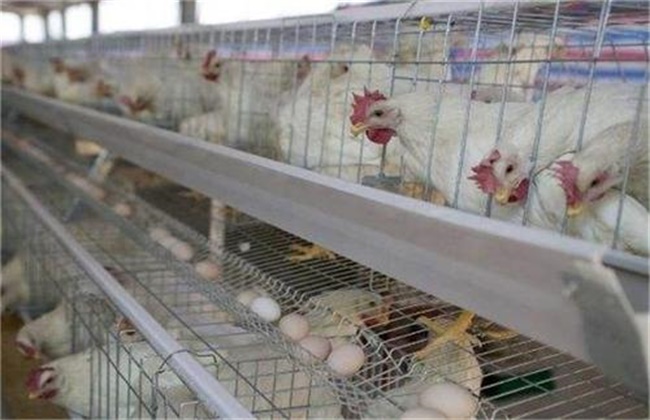
1. Chicken coop temperature
The suitable temperature for laying hens in winter is between 13-23 degrees. If the temperature is below 4 degrees, the egg production rate of the laying hens will be seriously affected, and egg production will stop when it is below 0 degrees. If the chicken coop temperature is too low, even if complete-price feed is supplied in time, the laying hens will not lay eggs. If you want them to lay eggs normally in winter, you must strengthen the insulation work of the chicken coop. Walls, doors, and windows should be sealed tightly. When the temperature is too low, you can make a fire or rely on heating equipment to raise the temperature.
2. Chicken coop lighting
Lighting is an important factor in egg production by laying hens. Only with sufficient light exposure can laying hens lay eggs better. The suitable light duration for laying hens in winter is 14-16 hours. If natural light is insufficient, artificial supplementary lighting measures can be used, and the light duration should also be increased gradually.
3. Air humidity
The temperature for laying hens is relatively low, the humidity in the chicken coop is relatively high, and frequent ventilation is not possible, so the air quality is poor. Therefore, according to the condition of the laying hens and the humidity in the chicken coop, proper ventilation should be carried out to keep the air fresh and the humidity suitable. At the same time, it is best to spread bedding in the chicken coop, as this can both keep warm and absorb moisture. Pay attention to replacing the bedding to keep it clean and dry. When ventilating, be careful not to cause the chicken coop temperature to fluctuate sharply, and strictly prevent large temperature differences from causing stress and leading to disease.
4. Stocking density
The temperature in winter is relatively low, and insulation work is very important. Many farmers increase the stocking density to achieve the insulation effect. This method is correct, but stocking density also has a limit. Overcrowding will also affect the egg production of the chickens. Generally, raising 5-6 birds per sq m is best. At the same time, ensure the chicken coop is clean and hygienic with fresh air to reduce the possibility of disease occurrence.
The above is an introduction to the four key precautions for raising laying hens in winter. We hope it can help you. If you want to learn more related knowledge, please stay tuned to us.