What causes stunted growth in orchids? A detailed explanation of the causes
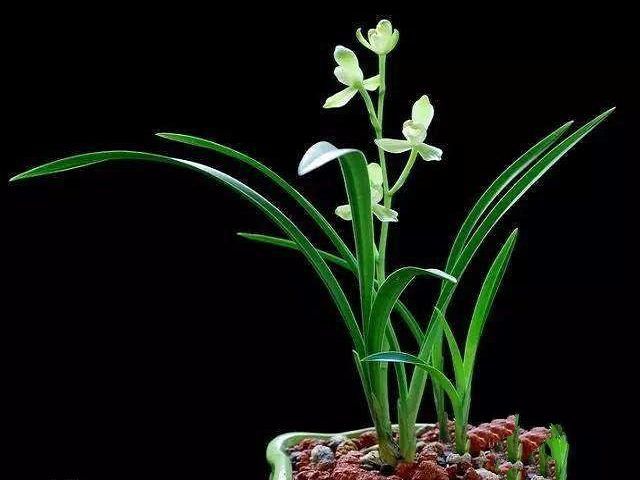
Orchids are rather beautiful flowers, with elegant and graceful forms and delicate, fragrant blooms, but orchids are a little delicate. In the process of caring for orchids, if we do things improperly, stunted growth can sometimes occur. Below is a brief discussion of some issues related to orchid stunted growth, for a simple exchange with everyone!
1. ?
So-called orchid stunted growth refers to when, during the orchid's growth process, the leaves turn yellow and look very dull, basically in a state of stagnation. Even if there is a leaf bud, no change is seen for a long time. It is not quite dead, but it does not look vigorous either. If your orchid care has reached this state, you can basically consider that your orchid has stunted growth.
The main cause of orchid stunted growth is related to the soil. Alkaline soil with poor air permeability and poor drainage is very unfavorable to the orchid's root system, and this can lead to stunted growth.
Furthermore, when caring for orchids, if too much fertilizer is applied, or fertilizer is even applied at low temperatures, damaging the root system, or if nutrients are completely exhausted, this is also a main cause of orchid stunted growth; in addition, if the orchid's root system is affected by pathogens or pests, or if too much water is given at low temperatures and the root system becomes waterlogged, this can also lead to orchid stunted growth!
2. If an orchid has stunted growth, what should be done?
If an orchid has stunted growth, the first thing we should consider is the soil. The original soil may have all kinds of problems, so it must be replaced in time. When changing the soil, you can take the orchid out of the pot and look at the root system. At this time, the root system is very likely to have empty roots, rotten roots, and decayed roots. After washing these roots, they must be dealt with promptly. You can use sterilized scissors to trim these roots. Root injury may be caused by pathogen infection, so attention should also be paid to disinfecting the orchid's root system, drying it slightly, and then replanting it in a fresh mix of decomposed crushed willow bark, river sand, orchid stone, and other planting materials.
Furthermore, after planting, shade it from sunlight and let it recover. At this time we must not water too much, and even more so must not fertilize. Pay attention to creating a relatively suitable temperature and humidity. After it has successfully recovered, be sure to let it receive soft sunlight so the orchid can be nourished.
3. Brief summary
When an orchid develops stunted growth, the damage to the orchid is rather great, and sometimes the stunted growth that appears may even be impossible to recover from. Therefore, in our daily care we must pay more attention, and we should focus on prevention. When caring for them, we must pay attention to the planting medium, pests and diseases, and the rational use of water and fertilizer, carefully tending our orchids.
It is now spring, and we should promptly strengthen management so our orchids grow beautifully.