What to do when orchid leaves grow too long? Routine pruning and giving plenty of sunlight
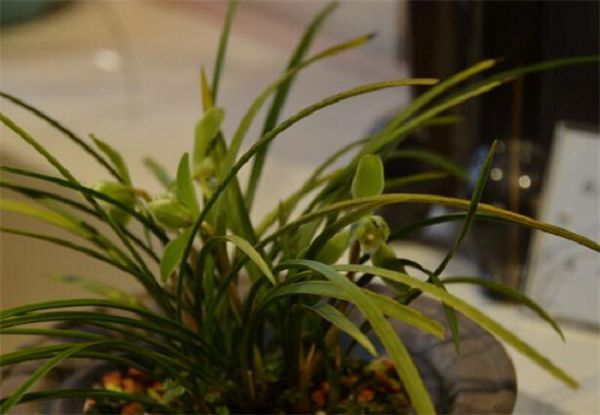
Orchids symbolize nobility and elegance, and they are ranked alongside plum, bamboo and chrysanthemum as the Four Gentlemen. Orchids come in a great variety of colors and have high ornamental value. Flower enthusiasts all very much enjoy growing orchids, but they do not know what to do when orchid leaves grow too long. You can routinely prune the orchid leaves a little, and normally let them get more sun, which not only benefits orchid growth but also prevents leggy growth. In normal cultivation, attention also needs to be paid to temperature.
I. Solutions for orchid leaves growing too long
Whenever orchid leaves grow too long during cultivation, you can prune them a little. There is no need to prune them too short; you can cut off all the leggy leaves, side leaves, old leaves and useless leaves of the orchid, which can reduce the consumption of nutrients by the orchid, prompt the parts that can bloom to receive sufficient nutrients, and promote better orchid growth.
As for the question of what to do when orchid leaves grow too long, after pruning the orchid, it needs to be given plenty of sunlight. If the orchid does not get enough sunlight, it will become leggy. Under sufficient sunlight, orchids carry out photosynthesis, which promotes better growth and beautiful blooms, and can also prevent leggy growth in orchids. However, they must not be grown under strong sunlight, so when the weather is hot, they need to be moved to a place with diffused light.
II. Orchid cultivation methods 1. Soil selection
When growing orchids normally, you first need to find a soil suitable for growing them. Orchids have relatively high soil requirements: they need loose soil with good aeration and water retention, fertile and somewhat acidic soil. You can mix yellow sand soil, sawdust and river sand in a 4:4:2 ratio, or mix wood chips, leaf mold and coarse sand in a 6:2:2 ratio. Both of these soils are suitable for growing orchids.
2. Water in time
Orchids like to grow in a humid environment, so they need to be watered in time; otherwise they will lack water, which affects growth and may even cause the orchid to die. In spring and autumn, water once every 2-3 days; in summer, water once a day; if the weather is too hot, you can spray a little water around them; in winter, spray water once a week. Each watering does not need to be too much; just keep the soil moist.
3. Apply thin fertilizer frequently
Orchids need sufficient nutrients to promote better growth, but each fertilization must not be excessive, otherwise it will cause soil problems, so you need to apply thin fertilizer frequently. In spring and autumn, apply decomposed alum fertilizer water once a week. Summer is the growing season for orchids, so apply phosphorus and potassium fertilizer once every half month. In winter, fertilizer can be applied in appropriate amounts to help the orchid overwinter safely.
4. Control temperature
Orchids are tolerant of drought but not of high temperatures. They are suitable for growing at 8-15°C and must not be above 30°C, otherwise normal orchid growth will be affected. You can move the orchid to a cool place to grow. If the temperature is too high, you can spray a little water around it to maintain air humidity. It must not be below 0°C, otherwise the orchid roots will freeze. It is best to keep its growing environment above 5°C every winter to help it overwinter safely and also benefit orchid growth.
III. Prevention and control of orchid pests and diseases 1. Rust spot disease
The most common disease of orchids is rust spot disease. In the early stage of the disease, some orchid leaves show small yellow spots. If ignored, they will spread rapidly; the small yellow spots will gradually enlarge and turn dark brown, which not only affects the ornamental value of the orchid but also affects flowering yield, and in the end will cause the orchid to wither and die.
Prevention and control method: first move the orchid to a well-ventilated place, and it must also have sufficient sunlight. Cut off all diseased branches and leaves, burn them or bury them deep in the soil to prevent the spread of rust spot disease, then spray with a 2000-fold dilution of 20% triadimefon EC, or a 1000-fold dilution of triadimefon for control. Spray once every 5 days, and three consecutive sprays are enough.
2. Nematodes
Nematodes parasitize the roots of orchids and cause huge damage to the roots, making the roots rot and causing root rot disease, which leads to poor orchid growth, causes leaves to wither and lose their original color, affects the ornamental value of the orchid, prevents beautiful flowers from blooming, and in the end causes the entire orchid plant to die.
Prevention and control method: dig the orchid out of the soil, cut off the rotten roots, and it can be soaked in agents such as 10% fosthiazate, 3% miral, and 5% ethoprophos to disinfect the new soil, then plant the treated orchid in the soil, improve the cultivation environment, and reduce watering and fertilizing.