What are the key points for leech farming? Read this article to understand leech farming techniques
When it comes to leeches, many people may have a lingering fear, but leeches are now a high-quality farming project and the first choice for many people. However, leech farming does not succeed easily. With the improvement of farming techniques, some key points have gradually been summarized. Let's take a look at the key points for leech farming below.
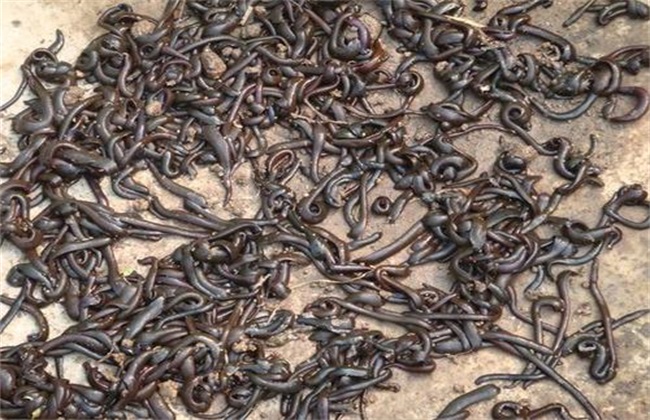
1. Water quality management
Water is one of the most important factors for leeches. The reason wild leeches are becoming fewer and fewer is that the deterioration of much water quality makes it impossible for them to survive. The water used for farming leeches should be natural and pollution-free. Some nutrient-rich water or water with high pesticide content will have a relatively serious impact on leeches, so farmers should be cautious when choosing a water source. Secondly, in order to ensure the water quality of the farming pond, it is best to maintain the circulation of live water for a long time.
2. Farming density
Do not assume that because leeches are relatively small, many can be farmed per mu. Generally speaking, the number farmed per mu is basically around 2200-2500 leeches, and for seedlings it is generally around 40-50 jin. Because it is impossible to ensure that leeches can be evenly distributed throughout the entire farming site, appropriately reducing the number can maintain the growth speed and quality of the leeches. Therefore, the farming site is best divided so as to maintain the even distribution of leeches to the greatest extent.
3. Feeding
The common foods of leeches are field snails, river mussels, and some things like animal blood clots. In the early stage, place a certain number of field snails and river mussels evenly in the farming site, and then supplement with some blood clots for feeding to speed up their growth. Generally, feeding once in the morning and once in the evening is enough. The feeding time is usually controlled at around 1-2 hours, and a small amount should be fed each time so that the leeches can eat as much as possible and feed loss can be reduced.
4. Temperature control
Leeches are very afraid of high temperatures, so the farming site must have temperature control measures, especially in summer. In summer, it is best to set up some shade nets, or place some floating aquatic plants in the water, to reduce the chance of direct sunlight reaching the leeches. If the temperature is too high, it is best to appropriately increase the water depth of the pond to keep the temperature at the bottom of the water relatively suitable for growth.
The above are some key points for leech farming. These are experiences summarized so far, and I believe they will be of good help to everyone. If you want to farm leeches well, you must pay attention to these details, and at the same time improve your own farming techniques.