Detailed Explanation of Key Points for Winter Management Techniques for Beef Cattle
Beef cattle are an important type of livestock in China and are raised in basically all parts of the country. On today's market, besides pork and mutton, beef is the most popular meat product. When raising beef cattle, we need to adjust our management methods according to the changing seasons. So how should they be managed during the low-temperature winter? Below, the editor brings you the winter management techniques for beef cattle. Let's take a look!
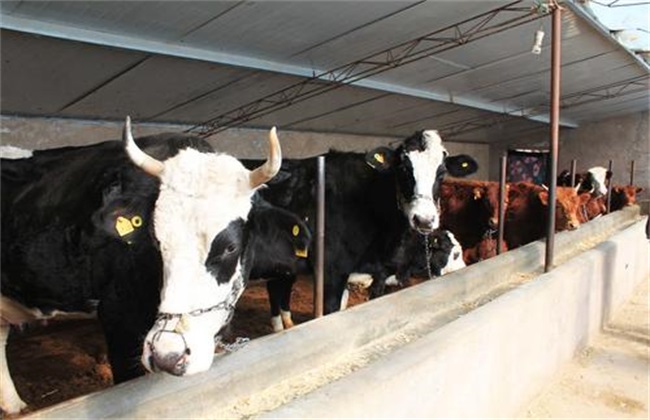
1. Heat preservation and ventilation
After entering winter, the cattle shed must maintain good insulation performance. It must not leak wind or water, the ground must be kept dry, and the temperature inside the shed must also be maintained at around 12 degrees. While keeping the cattle shed warm, we must also do a good job of ventilation. This is because in winter the cattle shed is mostly in a closed state, and the temperature difference between inside and outside the shed is relatively large. Then, combined with the cattle's respiration and heat dissipation, excretion, and other reasons, the humidity inside the shed will rise, and the content of harmful gases will also increase. This affects the normal growth of the cattle, so in winter the cattle shed must also be well ventilated to reduce humidity and expel harmful gases.
2. Cattle shed hygiene
In winter, the hygiene and cleaning work of the cattle shed is very important. A clean and hygienic cattle shed is a key measure for the normal growth and safe overwintering of beef cattle. Therefore, we should frequently clean the cattle shed and regularly remove the beef cattle's excrement. Each time feed is given is the best time to clean up the manure. After the cattle finish eating, the leftover feed in the trough should be removed promptly. This prevents the feed from being contaminated and deteriorating, and prevents the beef cattle from accidentally eating it and suffering gastrointestinal effects. At the same time, we must also do a good job of disinfection in winter, carrying out a comprehensive disinfection about once a month, to create a good growth environment for the beef cattle.
3. Scientific feeding
Feed is the basic material that ensures beef cattle gain weight and fatten up, so in winter we must also pay attention to doing a good job of feed matching. Feeding should mainly be frequent small amounts, ensuring that each feeding time for the beef cattle is about one hour. In winter, beef cattle must not eat too full, to avoid growing too fat, which would instead lead to a decline in breeding efficiency. Before each feeding, we should try to make the beef cattle have a relatively large appetite. If the appetite is large, the feed utilization and conversion rate can be increased as much as possible, reducing breeding costs.
4. Other management measures
In winter, the feed for beef cattle is mostly based on dry hay, so sufficient drinking water must be provided for the beef cattle. If the drinking water is insufficient, then not only will the feed intake of the beef cattle decrease, but the digestive capacity of the beef cattle will also decline as a result. At the same time, attention must also be paid to controlling the water temperature well. The water temperature should be maintained at around 20 degrees, and cold water must not be fed. Then, when the weather is clear, the beef cattle should be allowed to bask in the sun appropriately, and their bodies should be wiped, to improve the cold resistance of the beef cattle, and this can also prevent some skin diseases, which is very beneficial to the growth of the beef cattle.
The above is a brief introduction to winter management techniques for beef cattle. That is all for today's introduction. This article is for reference only, and I hope it can help everyone!