How to prevent and control ascites in broiler chickens in winter? These measures must be mastered
In winter, the temperature is cold, so ascites disease must be strictly prevented. It is a relatively common comprehensive disease in broiler chickens in winter, and it seriously affects the economic benefits of farms. In winter, chicken raising density is high, ventilation conditions are poor, and broiler chickens grow too fast with insufficient supply, which seriously affects heart and lung development and oxygen supply function, causing ascites. So how should ascites prevention and control measures be done well in winter? Let's take a look.
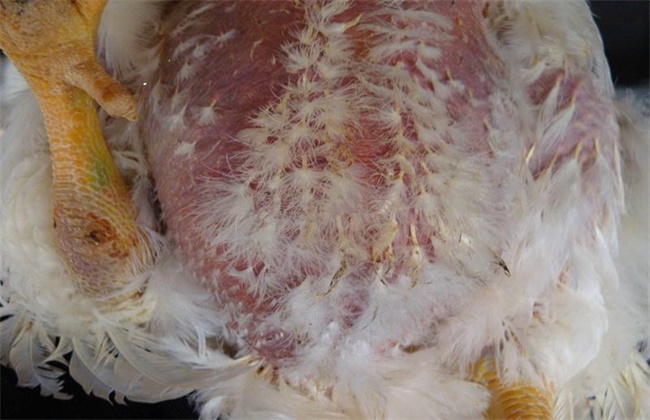
1. Ventilation and air exchange
In cases where the disease begins early in chicks, this is directly related to insufficient supply during the late incubation period of hatching eggs, so ventilation and air exchange work should be strengthened in the late incubation period of hatching eggs to prevent early ascites.
2. Early feed restriction
Within 3 weeks after chicks start eating, low-concentration nutrition should be fed. Especially at 2-3 weeks of age, feed restriction should be appropriately applied, that is, controlling the feed intake of chicks, feeding them to 70-80% full each time. This can limit their growth rate and effectively control the incidence of ascites. Many people are quite worried that insufficient early nutrition in chicks will lead to poor growth and delay their growth and development. You can switch to a low-concentration diet after 3 weeks, so that later compensatory growth speeds up weight gain and will not affect overall production performance.
3. Strengthen environmental management
Raising chickens in winter is difficult. This is the main reason ascites occurs. The feed density of chickens can be appropriately reduced. Before 3 weeks of age, 15-20 birds per sq m is suitable, and after 3 weeks of age, 10-12 birds per sq m is suitable. At the same time, environmental sanitation work should be done well, litter should be changed frequently, and the litter should be kept clean and hygienic. Regularly clean manure, disinfect, and ventilate to reduce harmful gas concentrations, which can very well prevent the occurrence of ascites.
4. Keep warm
Cold stress caused by winter is also an important reason for the occurrence of ascites in broiler chickens, so cold stress must be prevented in winter, and the relationship between warmth preservation and ventilation must be handled well. In addition, drinking cold water is also a kind of stress. It not only consumes a large amount of physical energy, but also reduces disease resistance. Therefore, drinking warm water should be insisted on. The water temperature should preferably be 25-40°C. If it is lower than 25°C, the temperature should be raised in time. Under suitable water temperature, ascites can be very well prevented.
The above is an introduction to prevention and control measures for ascites in broiler chickens in winter. I hope it can help you. If you want to learn more related knowledge, please follow us.