What are the precautions for aquaculture in winter?
As temperatures drop lower and lower, many farms across the country are now entering the off-season for aquaculture. Many farmers tend to let down their guard, causing large-scale losses of aquatic products and seriously affecting profits. To ensure the fish and shrimp overwinter safely, we should strengthen management at this time. Let's take a look at the precautions for aquaculture in winter.
1. Prevent freezing damage
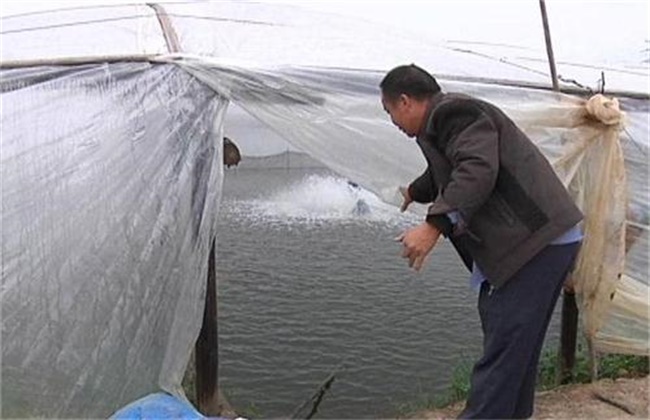
Winter temperatures are low, and the greatest fear is freezing damage. You can set up a windbreak wall on the northwest side of the pond, surrounding it with wooden stakes and woven bags or rice straw, which can prevent the north wind from blowing and causing the water temperature to drop rapidly. When there are signs of frost, you can pile damp rice straw and firewood on the bank and light smoldering fires to reduce the harm of frost. You can also plant a certain amount of aquatic plants in the pond, which allows the fish and shrimp to overwinter among the aquatic plants and reduces the impact of low temperatures on them. You can also inject new water on a clear afternoon to raise the water temperature.
2. Do not flush water in the evening
In winter, because of the fermentation principle of anaerobic bacteria at the bottom of the pond, if you casually turn on the aerator or flush water in the evening at this time, the bottom water layer is short of oxygen, and flushing water in the evening will mix the upper and lower water layers, causing the entire pond to be short of oxygen and causing great harm to the fish and shrimp, so it is not advisable to flush water in the evening.
3. Feed appropriately
In November, when the temperature is around 20 degrees, freshwater fish and shrimp grow vigorously. Providing them with sufficient natural bait at this time can not only keep them plump and fatten them up, but also lay the foundation for the freshwater fish to pass the winter successfully. Feeding should follow the standards of “regular timing, precise positioning, fixed quality, and quantitative analysis”, and the feeding amount should be flexibly controlled according to temperature, water body, and the feeding situation of the fish and shrimp. The bait should have comprehensive nutritional value, strong freshness, and be fresh without mildew, ensuring that the fish and shrimp eat well and fully without causing waste or polluting the water body.
4. Disinfect and improve the bottom
Before the fingerlings are put into the pond, their body surface needs to be disinfected. They can be bathed in Wangdian iodine for 5 minutes. After being put into the pond, use Yingjiling for two consecutive days for anti-stress treatment. After a year of aquaculture, a lot of leftover bait and feces will accumulate at the bottom of the pond in winter, and anaerobic fermentation will produce toxic gases, causing serious poisoning to the fish and shrimp. Therefore, in winter, Jiuyang and Qiangdijing should be applied in a timely manner to improve the bottom and increase oxygen, preventing deterioration of the bottom environment.
The above is an introduction to the precautions for aquaculture in winter. We hope it can help you. To learn more related knowledge, please stay tuned to us.