How to repot a bamboo begonia? A detailed guide to repotting methods
Because the bamboo begonia is restricted by its potting soil, it needs to be repotted once every 1-2 years. Otherwise, the soil nutrients are completely absorbed and no fresh soil is added, which seriously affects its growth and, in severe cases, causes the whole plant to turn yellow and die. So how should the bamboo begonia be repotted? Follow along with the editor to learn more.
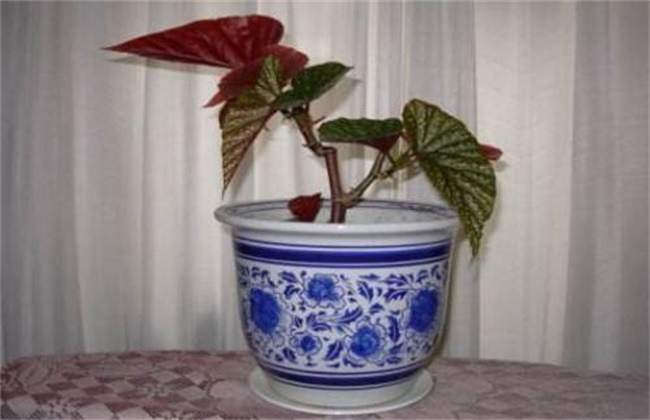
1. Repotting time
The best time to repot a bamboo begonia is in spring or autumn, which helps it store more nutrients, benefits the growth of its branches and leaves as well as flowering, and the damage from repotting is reduced, with the wounds from pruning also healing quickly. If repotting in winter, the temperature is lower, the plant's vitality is lower, and the survival rate after repotting is lower, so it is not suitable to repot in winter.
2. Potting soil preparation
Before repotting, first prepare new potting soil. The bamboo begonia likes to grow in loose, breathable, well-drained, fertile soil, so it can be mixed with compost soil, leaf mold and peat soil. The purpose of repotting is to help it grow better, so if it is a seedling you can choose a pot one size smaller, and if it is a mature plant you should choose a pot one size larger. The pot material should be breathable; you can choose a ceramic pot, a clay pot or a purple clay pot.
3. Removing the plant from the pot
First, stop watering one week before repotting so that the soil is in a relatively dry state, which helps with removing the plant from the pot. To remove it, tap the pot wall a few times so that a gap forms between the soil and the pot, then slowly take the pot off, so that the whole plant comes out with the soil. After that, separate the roots from the soil, taking care to keep the soil near the roots, trim off any dead or rotten roots you find, and then disinfect the wounds.
4. Repotting
Put the prepared nutrient soil into the pot; before filling it in, expose it to the sun or disinfect it with chemicals, which can kill pathogens and insect eggs in the soil and reduce the possibility of pest and disease damage to the plant. Then replant the plant, cover with soil and press it firm to keep it fixed, water appropriately to keep the soil moist, and place it in a shady spot for care. Once growth is stable, it can be moved to a sunny spot for normal care.
The above is an introduction to the repotting methods for the bamboo begonia. I hope it helps you. To learn more related knowledge, please stay tuned to us.