How to deal with root rot in lucky bamboo? These methods are very practical
Lucky bamboo (Dracaena sanderiana) is a perennial evergreen plant in the Asparagaceae family with high ornamental value, and because its stems and leaves are slender, soft and elegant, it is very popular in our country. Lucky bamboo can also purify the air and remove harmful gases indoors. However, when we care for lucky bamboo, how should we deal with root rot? Below, the editor will briefly introduce it to everyone, let's take a look!
1. Hydroponics
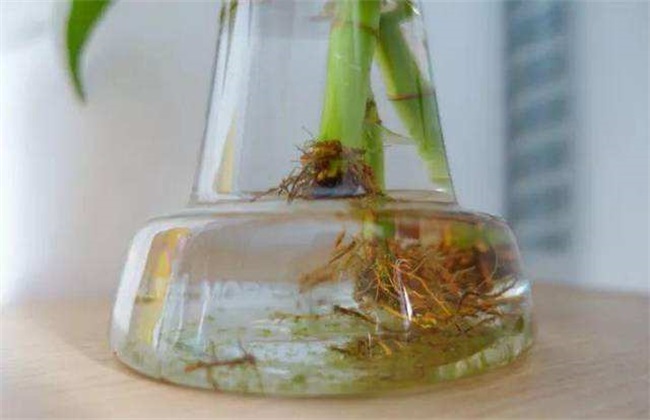
When dealing with root rot in lucky bamboo, we must first choose the treatment method according to how the lucky bamboo is grown. If it is hydroponic, then first take the plant out, then disinfect the scissors, and then cut off the rotten roots. For parts that cannot be seen with the naked eye, gently press the main stem with your hand, and cut off any parts that have become soft. The roots should be cut at an angle, and finally the plant should be cleaned with clean water, and the bottle should also be cleaned and disinfected.
After cleaning the bottle, pour in an appropriate amount of fresh water, and you can sprinkle an appropriate amount of salt into the fresh water. After disinfecting the roots, insert the plant into the water, place it in a cool and ventilated place, and maintain a suitable growing environment. The plant must not be exposed to direct strong light, and the temperature should be well controlled, otherwise the root rot of the lucky bamboo will worsen. After about 5 days, the lucky bamboo will gradually take root.
After the lucky bamboo has re-rooted, add an appropriate amount of compound fertilizer; the compound fertilizer does not need to be too much, about two drops is enough. If too much fertilizer is applied, the fertilizer will generate too much heat and will still cause root rot. When growing lucky bamboo hydroponically, the water does not need to be too much; keeping it at about 1/3 of the container is enough. If there is too much water, it is also easy to cause root rot. Therefore, pay attention to doing a good job with water and fertilizer, and control the amount of fertilization and watering. If the water gives off an odor, then change the water in time, and then check whether the roots have rotted.
2. Soil culture
If the lucky bamboo is grown in soil, then first we still need to take the plant out of the soil. Then clean the roots with clean water, then soak them in carbendazim, then take them out, clean them, and put them in a cool place to dry. Then prepare new potting soil with good permeability; when replanting, hold the lucky bamboo with one hand while burying the soil with the other. After planting, water it; there should not be too much soil, so as to avoid affecting the roots' water absorption and causing the roots to rot again. Lucky bamboo has relatively poor drought tolerance, so pay attention to watering well and keep the soil in a moist state.
The above is a brief introduction to how to deal with root rot in lucky bamboo. That is all for today's introduction. This article is for reference only, and I hope it can help everyone!