How do you choose a site for a modern pig farm? Keep these considerations in mind
Today our pig farming technology is becoming more and more mature, and there are more and more farming models. What is common now is mainly modern pig farming, and when establishing a modern pig farm, site selection is the primary task. Choosing a site for a modern pig farm is not that easy either, as there are many things we need to pay attention to and many aspects to consider. So let's take a look below, together with the editor, at the considerations for choosing a site for a modern pig farm!
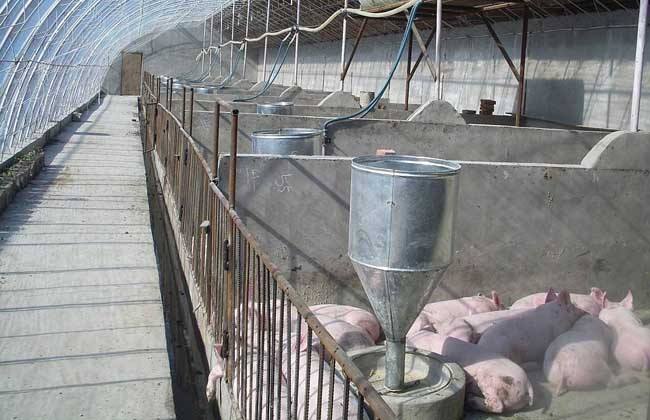
1. Terrain and topography
When carrying out modern pig farming, the pig farm should be established in an open and neat place, and it must have a sufficiently large area. If the terrain is long and narrow or uneven with pits, it is not suitable for establishment. If the area is too small, it is easy to cause crowded buildings, which brings great trouble to the farming work. Therefore, the pig farm should be established in a place with relatively high terrain, dry, sheltered from the wind, and with sufficient light. Maintain a gentle slope of about 25 degrees, which is conducive to drainage; the slope should not be too large, otherwise it will affect transportation within the pig farm. Control the area of the pig farm well according to the number of pigs raised, the nature of the operation, and so on.
2. Water source and water quality
There must be a sufficient water source around the pig farm, and the water quality must be pollution-free and clean. This is convenient for the pigs to drink and for sanitation and protection work, and it can also reduce the investment in water purification and disinfection. When watering the pigs, we should control the amount of water fed according to the different growth stages or types of pigs, so as to ensure that each pig can drink enough water every day. For example, if it is a breeding boar, then one pig needs to drink about 10 liters of water per day, while the water requirement of each growing pig per day is not very large, generally around 6 liters.
3. Soil properties
When establishing a pig farm, we should not only pay attention to the terrain and topography, but also to the soil properties at the base of the pig farm. Under normal circumstances, the soil of the pig farm should maintain good permeability, strong water seepage, and be able to withstand a relatively large heat capacity. In this way, it can effectively inhibit the activity of harmful substances such as microorganisms and parasites. Moreover, the diurnal temperature difference of the pig farm can also be reduced. At the same time, we should also pay attention not to occupy cultivated land, consider chemical and biological characteristics, do a good job in investigating endemic diseases and epidemics, and prevent rebuilding on old pig farms or other livestock farms.
4. Surrounding environment
The environment around the pig farm is also very important. It is necessary to ensure good transportation and stable water and electricity supply, which is convenient for epidemic prevention work. In addition, the pig farm should be at least about 300 meters away from main traffic roads, railways, and so on. It must also be far away from residential areas to avoid affecting residents' lives. If the number of pigs raised exceeds ten thousand, then the distance must be kept at least above one thousand meters. Then we should also pay attention to maintaining a good distance from other livestock and poultry farms to avoid mutual influence.
The above is a brief introduction to the considerations for choosing a site for a modern pig farm. That is all for today's introduction. This article is for reference only, and we hope it can help everyone!