Practical measures for pig farms to reduce feed mildew
The environment of pig houses is generally hot and humid, and this kind of environment is very suitable for the reproduction and growth of mold. During the storage and feeding of feed, mildew is extremely likely to occur, so after pigs eat it, problems such as stunted growth and development, vomiting, false estrus, and miscarriage often occur. Therefore, how to reduce feed mildew in pig farms is an extremely urgent task, especially in summer. Let's take a look together below.
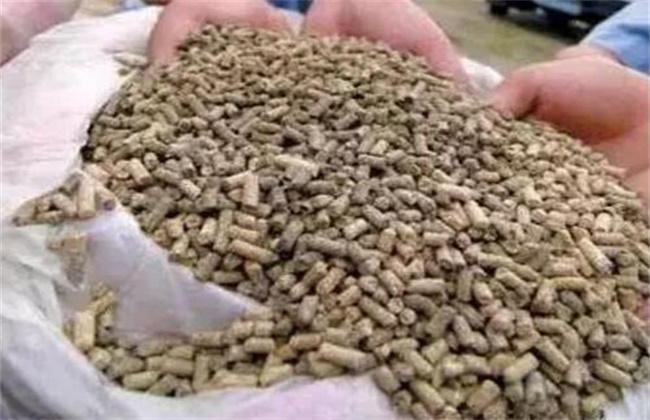
1. Hardware optimization
When building a feed warehouse, a location with high and dry terrain, good ventilation, and shade should be chosen. The ground needs to be moisture-proofed, and if conditions permit, the walls can also be moisture-proofed. At the same time, good ventilation conditions in the warehouse must also be ensured. The silo of the automatic feeding line should be installed in a cool and dry place, or a sunshade should be built above the silo to ensure that the silo is dry, ventilated, and cool, so as to avoid internal self-condensation or high temperatures causing feed mildew.
2. Feed procurement and storage specifications
When purchasing feed, high-quality feed produced by major brand companies should be chosen. In order to reduce costs, some small manufacturers may use distiller's grains and substitute feeds. These feeds have poor mold contamination and will greatly reduce feed quality, increasing the risk of feed mildew in subsequent processes. During transportation, feed must be prevented from being rained on or exposed to the sun. Once these situations occur, mark them clearly or return the goods directly. If the feed is self-mixed, after crushing it should be fully cooled, and only bagged after the temperature drops, so as to avoid moisture condensation and mildew. Feed procurement should preferably be carried out in batches. During storage, stacking should be scientific and reasonable. Gaps should be left between stacked feed stacks, and they should not be placed against the wall, so as to facilitate ventilation and statistical distribution.
3. Selection and cleaning of feeding utensils
In order to reduce feed residue in feeding lines, proportioners, and troughs, facilities of good quality should be selected to avoid feed mildew. In the humid summer season in the south, management personnel should inspect more than twice a week. Once abnormal conditions are found, they should be handled promptly to prevent moldy feed from entering the pig house. Silos, feeding lines, and creep feeders should be cleaned in time to avoid residual feed becoming moldy and deteriorating, which is extremely unfavorable to the growth and development of pigs.
4. Reduce the humidity of the pen
When the relative humidity of the environment reaches 80%, it is very conducive to the growth and reproduction of mold. When using cooling pads for cooling in summer, the fan speed should match the area of the cooling pad, so as to avoid water from the cooling pad being drawn into the pen, increasing air humidity or wetting the feed and causing feed mildew. When cleaning manure and washing the ground in summer, the humidity of the pen must be strictly controlled, and ventilation should be reasonable.
The above is an introduction to measures for reducing feed mildew in pig farms. I hope it can help you. To learn more related knowledge, please follow us.