What to Do About Rotting Leaves on Snake Plants? Causes and Solutions
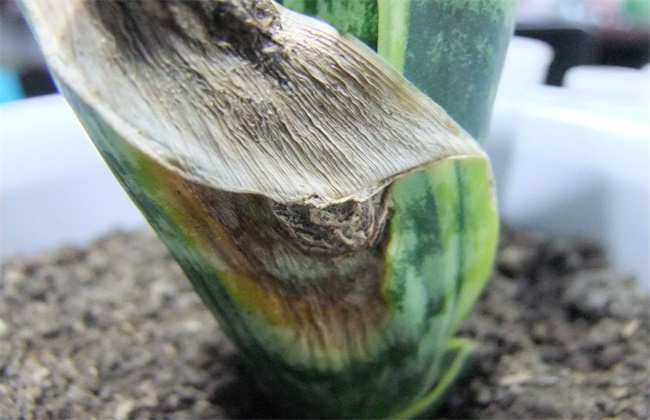
When growing a snake plant, you will run into many problems, especially leaves that easily wither and rot, which is extremely harmful to the snake plant's growth and, in severe cases, can even kill the plant. So what causes rotting leaves on snake plants? How should you prevent and treat it? Follow along with the editor to find out.
1. Improper soil
The snake plant is highly adaptable, but if it grows for a long time in deep, heavy, sticky soil, root rot occurs very easily, and because the leaves then cannot get enough nutrients and water, they too will start to rot. At this point you should repot it promptly, trim off the rotted roots and leaves in time, then repot it with fresh soil, and you must repot it once a year, choosing a mix of loose sandy loam and leaf mold, and applying plenty of base fertilizer before potting.
2. Frequent exposure to blazing sun
The snake plant likes to grow in a semi-shaded environment. If during the growing season it is placed outdoors for long periods under strong direct sunlight, the water in its stems and leaves evaporates in large amounts, causing water loss and resulting in rot and withering. At this point you need to trim off the rotted leaves in time and place the plant in a ventilated, semi-shaded spot; when the sun is too intense, shade it to prevent sunscald.
3. Overwatering
During the snake plant's growth, watering should be moderate and not excessive. If frequent watering makes the potting soil too wet, the stems and leaves will very easily start to rot. At this point you need to stop watering immediately, and once the soil dries out, water thoroughly once. In spring and autumn, because the plant is in vigorous growth, watering should be plentiful; in winter, when temperatures are lower, watering should be controlled.
4. Improper fertilizing
The snake plant has low fertilizer requirements during its growing season. If nitrogen fertilizer is applied over the long term or too much chemical fertilizer is used, the plant will very easily develop root rot, and the stems and leaves will rot along with it. At this point you should stop fertilizing, trim off the rotted roots and leaves, and once the leaves return to normal, reduce the amount of nitrogen fertilizer; after that, apply liquid fertilizer just 1-2 times a month.
The above is an introduction to the causes of and solutions for rotting leaves on snake plants. We hope it helps you. To learn more related knowledge, please stay tuned to us.