What to Do About Root Rot in Phalaenopsis? Learn the Correct Way to Handle It
Phalaenopsis is an epiphytic orchid in the family Orchidaceae, with very high ornamental value, and it is also very popular in China. When growing orchids, if management is improper, many problems often arise. One of the more common ones is root rot, which can seriously affect the growth of Phalaenopsis and even lead to death. So what should be done about root rot in Phalaenopsis? Let's take a look below!
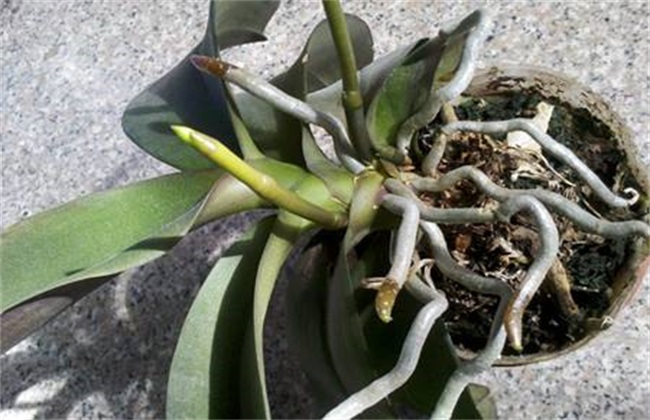
1. Root trimming
When you notice that a Phalaenopsis has root rot, be sure to remove the whole plant promptly. Then clear away the soil around the roots of the Phalaenopsis plant to expose the complete root mass. Next, prepare sterilized scissors, examine the roots of the Phalaenopsis, and use the scissors to cut away the roots that have already rotted. When trimming the roots, you must observe carefully and not miss a single rotten root. You also must not be soft-hearted: however many roots have rotted, that is how many you must cut, otherwise the effect of root trimming will be affected, and the recovery of the plant's growth capacity will also be hindered.
2. Disinfection
After trimming the roots, the plant cannot be put back into the soil immediately. We also need to disinfect the roots with agents such as potassium permanganate. If not disinfected, the cut root wounds of the Phalaenopsis are prone to bacterial infection, which will worsen the condition and, in severe cases, cause death. After disinfecting the roots, place the plant in a clean, ventilated and shady place to dry and air out. Then replace the old soil used previously with new soil, and disinfect the flower pot as well. This is because old flower pots contain more bacteria, and repotting into them may still cause root rot in the Phalaenopsis.
3. Repotting
After the Phalaenopsis has gone through a series of treatments such as root trimming and disinfection, it can be repotted. When repotting, be careful to avoid injuring the roots again, which would affect functional recovery. After repotting, make sure to cover the roots of the Phalaenopsis well with new soil and avoid leaving them exposed. After repotting, do a good job of care: the leaves of the plant must not be exposed to strong sunlight, and the roots must not come into direct contact with fertilizer, etc. After repotting, place the Phalaenopsis in a shady place with good air permeability for care, and only carry out normal cultivation after its growth capacity has recovered.
4. Prevention methods
Although prompt rescue after root rot in Phalaenopsis can recover some losses, it will still affect cultivation benefits to some extent. Therefore, we should focus on prevention. When watering, be sure to control the amount of water well. Do not water too much, to prevent waterlogging in the soil from causing the roots to rot. Likewise, do not fertilize excessively, to avoid burning the roots from too much fertilizer. The soil should maintain good permeability, be disinfected regularly to avoid infection by pathogens, and basic management work such as rain protection and light protection should be done well. Create a good growing environment for the Phalaenopsis.
The above is a brief introduction to what to do about root rot in Phalaenopsis. That is all for today's introduction. This article is for reference only, and we hope it can help everyone!