What are the preventive measures for chicken stress? Poultry farmers must master them
Chickens often encounter various problems during their growth process, and stress is one of them. Chicken stress refers to a non-specific reaction produced when chickens are stimulated by external environmental factors. During rearing, if there are sudden climate changes, vaccination, or high temperature and drought, these will affect the growth of chickens and cause various adverse effects. So how should we prevent chicken stress reactions? Below, let's take a look at the preventive measures for chicken stress with the editor!
1. Suitable growth environment
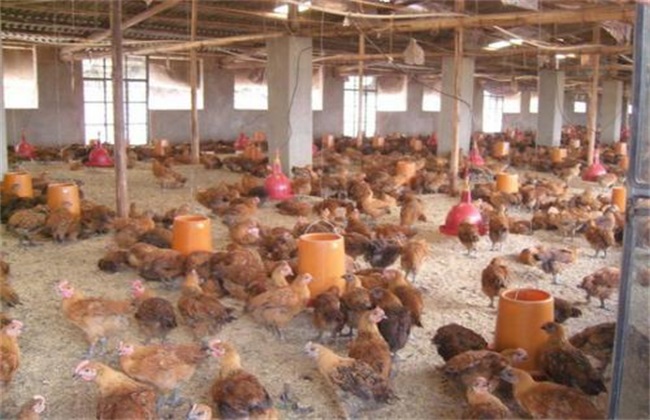
When raising chickens, we should create a suitable growth environment for them. In summer when temperatures are high, heat prevention and cooling measures should be done well; in winter when temperatures are low, cold prevention and warming measures should be taken. Control the temperature inside the chicken coop well to avoid temperature stress in chickens, and then the humidity should be controlled at around 55%. Do a good job of ventilating the chicken coop, maintain air quality, clean chicken manure regularly, and avoid excessive ammonia content in the air. Then pay attention that no noise should be made, control the rearing density well, do not raise them too densely, and ensure that each chicken has sufficient growth space.
2. Strengthen management
When raising chickens, we should adjust the rearing methods according to the different growth stages of the chickens, prepare reasonable feed formulas, and meet the nutritional needs of chickens at each growth stage. When feeding feed, remember that moldy and spoiled feed must not be fed. Also do not change the rearing personnel easily. Feeding should follow the principle of fixed times and fixed amounts, and maintain sufficient drinking water. Then control the lighting well; during the laying period, the lighting time should be controlled at around 16 hours. When catching chickens, beak trimming, and doing other work, pay attention to doing it at night and be mindful of the force used.
3. Anti-stress additives
When feeding feed, we should also add an appropriate amount of anti-stress additives to the feed. Adding an appropriate amount of vitamin C to the daily ration can help chickens maintain body temperature well when heat stress occurs, and can promote the concentrations of sodium, cortisol, and other substances in blood plasma to return to normal. Then appropriately supplementing trace elements such as zinc and iodine can also reduce their stress reactions. In addition, an appropriate amount of electrolytes can also be added; electrolytes can be added to drinking water to maintain the acid-base balance of chickens. Finally, there are also drugs, Chinese herbal medicines, and some feed additives, all of which can effectively relieve chicken stress reactions.
4. Disease prevention and control
Finally, we should do a good job in disease prevention and control for chickens, maintain a clean and hygienic chicken coop environment, and disinfect the chicken coop regularly. And we must do epidemic prevention work well according to the immunization program. The rearing method should mainly be all-in-all-out. After raising laying hens, the chicken coop should be left empty for a period of time, and only after comprehensive and thorough disinfection work can new chicks be brought in. During rearing, it is best not to let irrelevant personnel and vehicles enter the chicken farm, and do a good job in preventing and controlling mosquitoes, flies, and mice to avoid carrying pathogens. Feed an appropriate amount of antibacterial drugs according to the actual situation to avoid bacterial infection.
The above is a brief introduction to the preventive measures for chicken stress. That is all for today's introduction. This article is for reference only, and I hope it can help everyone!