What environmental factors cause stress in chickens?
Chicken farming is a very mature part of China's breeding industry, and there are now more and more chicken breeds and an endless variety of farming methods. Coupled with consumers' love of chicken meat and eggs, the market demand for chickens is still very large. However, raising chickens is not as simple as we imagine. When raising chickens, the birds often become stressed because of their environment. So which environmental factors trigger stress in chickens? Let's take a look together below!
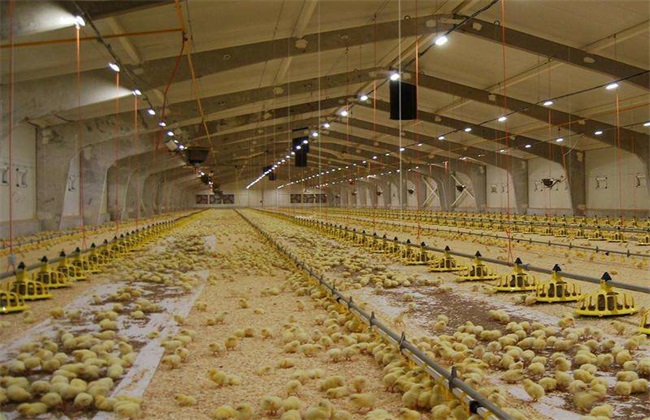
1. Temperature
Under normal conditions, keeping the temperature at 20-22°C and the relative humidity at around 65% is the optimal temperature for chicken growth. Within a suitable temperature and humidity range, chickens' growth rate and egg-laying performance can both be helped. If the climate temperature changes sharply during chicken farming, such as summer high temperatures exceeding 30°C, winter low temperatures below 5°C with a day-night temperature difference greater than 10°C, and various other temperature changes, all of these are very unfavorable to chicken growth. High temperatures not only cause stress responses in chickens, but also reduce sperm in roosters, delay sexual maturity in hens, and lower the fertilization rate.
2. Light
Light is also very important for chicken growth. Reasonable light duration and intensity are the key to ensuring healthy chicken growth. During the chicken's growth process, if the light duration is too long or too short, or if the light intensity changes, becoming stronger or weaker, all of these will cause stress with relatively large reactions in chickens. The impact is especially greater on laying hens. If laying hens suffer from light stress, it will not only affect their own growth, but the egg-laying rate will also decline, seriously affecting farming profits, so everyone must pay close attention.
3. Gases
When raising chickens, if the farming density is too high, while the chicken house has poor air circulation, poor ventilation, and accumulated chicken manure ferments again to produce large amounts of harmful gases such as ammonia, it will also cause serious harm to the chickens. If chickens grow for a long time in an environment with ammonia content reaching that level, it will not only reduce the chickens' growth rate and egg-laying rate. It will also affect the chickens' cardiovascular system, making them highly prone to various respiratory diseases and ascites. Therefore, when farming, we must pay attention to controlling the farming density well, regularly clean up chicken manure, improve the ventilation of the chicken house, do a good job of ventilation, expel harmful gases, and improve air quality.
4. Noise
Under normal circumstances, chickens generally like to grow in a relatively quiet environment. Chickens are very sensitive to sound. If abnormal sounds, sudden sounds, or continuously generated noises appear around the farming environment, they will all affect the normal growth of chickens. For example, firecrackers, people shouting loudly, and so on, these noises are very unfavorable to chicken growth. The stress response caused by noise, at best, will reduce the chickens' appetite and egg-laying rate, and at worst, may lead to death, so everyone must keep the environment around the chicken house quiet and avoid noise-induced stress.
The above is a brief introduction to the environmental factors that cause stress in chickens. That is all for today's introduction. This article is for reference only, and I hope it can help everyone!