What are the propagation methods for Alocasia? A detailed explanation of common propagation techniques
Alocasia is a perennial herbaceous plant in the Araceae family, and it is relatively common in southern China. Alocasia has high ornamental value, can create unique landscapes, and can maintain the balance between carbon dioxide and oxygen, helping to purify the air. Therefore, the planting area of Alocasia is now also relatively large. So when growing Alocasia, how should it be propagated? Today, the editor brings you the propagation methods for Alocasia. Let's take a look together!
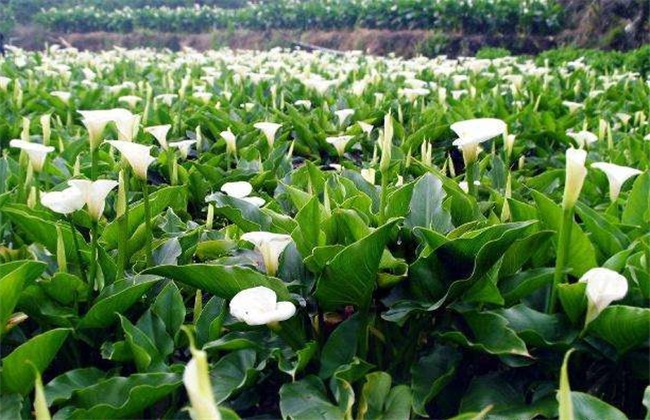
1. Cutting propagation
The stems of Alocasia are very well developed, so cutting propagation is a commonly used propagation method for Alocasia. First, we should choose an Alocasia plant with a relatively long growth period as the mother plant. Then, in spring each year, select a branch from the mother plant that grows vigorously and has no pests, diseases, or wounds as the cutting. Keep the branch length at about 10 cm. After briefly disinfecting it, it can be directly inserted into the soil. Then carry out good management. When it grows about 4 true leaves, transplant it.
2. Seed propagation
During growth, Alocasia generally produces seeds, so seed propagation is also possible. The sowing method is generally mainly drilling or dibbling. For dibbling, the seeds need to be sown evenly one by one into the sowing holes, and then covered with a layer of fine soil. Spray water appropriately with a watering can, then cover it well with a shade net. From after sowing until emergence, the soil must be kept moist, and it must not be too dry or too wet. Every morning and evening, the shade net should be appropriately opened to allow ventilation. After the seedlings emerge, remove the shade net. Likewise, transplant when they grow about 4 true leaves.
3. Bulb propagation
For bulb propagation, first dig out the small bulbs produced from the roots of Alocasia. Grade them according to the weight of the bulbs; generally, those above two grams are grade one, and those below are grade two. Then, before sowing the bulbs, level and deeply plow the ground, and make beds ready for sowing. When sowing, control the sowing density well. For grade one bulbs, the plant and row spacing should be controlled at about 8*20 cm. For grade two bulbs, the row spacing can be appropriately reduced. The sowing method is mainly directional sowing in furrows, with the sowing depth kept at about 5 cm, then cover with soil and water. After watering, appropriately spray herbicide, then set up a shade net. The management measures for the shade net are the same as for seed propagation.
The above is a brief introduction to the propagation methods for Alocasia. That is all for today's introduction. This article is for reference only, and I hope it can help everyone!