How to care for a clivia so it blooms well
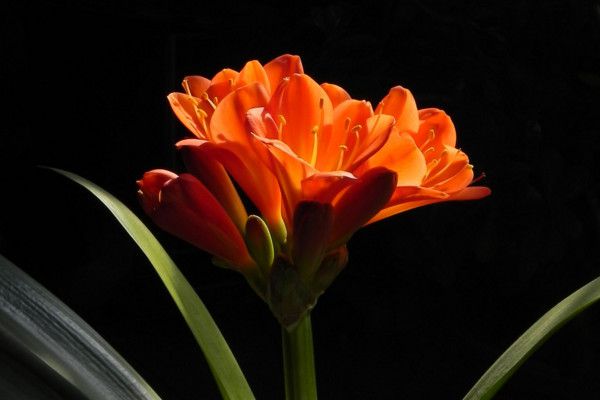
A clivia in bloom is very beautiful and highly ornamental. During cultivation, it needs careful care to bloom abundantly, and there are a few points everyone should pay attention to.
1. Light
Clivias are mostly given scattered light, and direct strong light must absolutely not be allowed to reach them. From June to August, move the pot back from the balcony to adjust the light and reduce strong light exposure to prevent the flowers from dropping; after October, full sun can be restored.
2. Fertilizing
During the peak growing season, apply a thin, decomposed liquid fertilizer once every 15 days; in July and August, the amount of fertilizer should be reduced. In the 1 to 2 months before full bloom, apply a phosphorus fertilizer once a week to help the flower buds and buds develop. Be careful to avoid concentrated or raw fertilizer, which can cause fertilizer burn.
3. Watering
During the flowering period, do not water too much, and there must be no water accumulation in the potting soil; an overly humid environment easily makes the flowers drop prematurely. After the flowering period ends and during the winter, water less, keeping the potting soil only slightly moist.
4. Temperature
The normal growth temperature for a clivia is between 15 and 25°C; when the flower buds are extending stems and growing buds, the temperature should remain stable at 18°C. The maximum temperature must not exceed 30°C, and the minimum temperature must not be below 5°C, otherwise the clivia's growth will be inhibited.
5. Pruning
Before the flowering period, all dead branches and rotten leaves, diseased and weak branches and leaves, and leggy branches and leaves on the clivia plant should be removed completely to avoid dispersing nutrients. After the flowering period ends, the spent flowers need to be cut off so they do not compete for nutrients and cause the branches to rot.