Key Technical Points for Scientific Management of Beef Cattle During the Fattening Period
Cattle are a very popular type of livestock in China, and beef commands a very high market price in China, making it a meat that many people enjoy eating. When raising cattle, many farmers hope to fatten them quickly for market in order to improve their farming profits. Beef cattle require careful management during the fattening period. So how should beef cattle be managed during the fattening period? Below, the editor will give a brief introduction for everyone. Let's take a look!
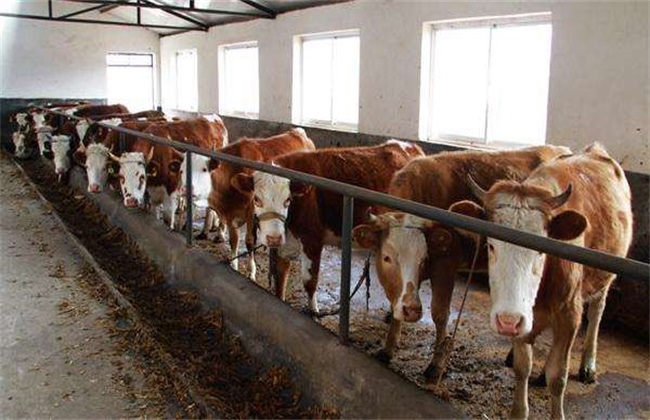
1. Small pen loose housing
During the fattening period, beef cattle are best allowed to move freely in a space without fixed stalls or tethers. Generally, each head of cattle should have about 7 sq m of activity space. The floor of the cattle shed is best made of cement shaped into grooves, to prevent the floor from being too slippery and causing the cattle to fall. Then an appropriate amount of sawdust or rice straw and other grain straw should be spread on the bed surface, kept at a thickness of about 10cm, to provide a comfortable resting environment for the beef cattle. The bedding should then be replaced regularly according to how contaminated it has become.
2. Free access to drinking water
In the cattle shed, we should also install automatic drinkers, or set up more water troughs in the shed. This allows the beef cattle to drink water freely. Whether drinkers or troughs are used, they are best placed opposite the feed troughs. If drinkers are installed, then about two sets should be provided per pen of 10 head, kept at a height of about 70 cm. If fattening is done in winter, then care should be taken to prevent the drinkers from freezing, and good work should be done on heating and cold protection. Cold water must not be fed; the water temperature should be raised appropriately.
3. Free access to feed
After beef cattle enter the fattening period, they are fed about three times a day, in the morning, noon and evening respectively. The feeding amount should ensure that every head of cattle can eat its fill, and it is best if a small amount of leftover feed remains in the trough. Therefore, after feeding, we should keep a record of the feed intake of each head of cattle, so as to determine the amount of feed for the next feeding. Concentrate feed and roughage feed can be fed separately; generally roughage is fed first, followed by concentrate. Of course, complete feed can also be fed. If you mix it yourself, then you must be careful to control the proportions of concentrate, roughage and nutrients well.
4. Ventilation and moisture removal
Beef cattle like to live in a dry environment and are afraid of dampness and heat. Therefore, when building a cattle shed, we should design it according to local conditions and the climate environment of the region. The span and height must be ensured so that ventilation can be carried out while keeping the shed warm. If the humidity and temperature inside the cattle shed are too high, then it is very unfavorable to the growth of beef cattle. Therefore, during the fattening period, everyone must pay attention to doing good work on ventilation and moisture removal. Of course, the temperature must not be too low either; too low a temperature can easily cause beef cattle to catch cold, affecting the fattening results.
The above is a brief introduction to how to manage beef cattle during the fattening period. That is all for today's introduction. This article is for reference only. Thank you all for reading and supporting.