What to Do If Lucky Bamboo Won't Root? Teach You Fast Rooting Methods
Lucky bamboo is a common potted ornamental plant, and its market in our country is very large. Lucky bamboo is relatively easy to care for and is welcomed by many people, but when we care for lucky bamboo, many problems often arise. One of these is lucky bamboo failing to root, which can have a very big impact on the growth of lucky bamboo. So what should be done if lucky bamboo won't root? Let's take a look below!
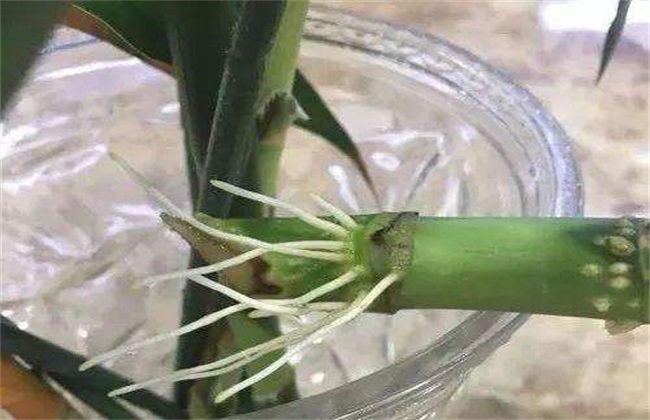
1. Clean and Cut at an Angle
The phenomenon of lucky bamboo failing to root often appears after propagation. If lucky bamboo fails to root after propagation, then we need to completely take the lucky bamboo out of the growing medium. Rinse the roots with clean water, and after washing them clean, prepare sterilized scissors. Cut the roots again at an angle to create a new rooting site for the lucky bamboo. After cutting at an angle, replant the lucky bamboo into the growing medium, then wait for it to root.
2. Change the Water Quality
For hydroponic lucky bamboo, failure to root is a common phenomenon. During hydroponics, if the water is not changed for a long time, a large amount of bacteria will be produced in the water. The bacteria will not only affect the rooting of lucky bamboo, but in serious cases will cause various diseases and death. Therefore, we should pay attention to changing the water regularly. For hydroponic lucky bamboo that has not rooted for a long time, take it out and disinfect it. Then put it back into water, and after that change the water once a week, and the lucky bamboo will begin to root.
3. Fertilize Reasonably
Under normal circumstances, if lucky bamboo has not rooted for a long time, then it may be because the nutrients in the growing medium are insufficient, and lucky bamboo has difficulty rooting due to lack of nutrients. If lucky bamboo is grown in traditional soil culture, then we should topdress fertilizer in time to increase the nutrient content of the soil. Or transplant the lucky bamboo into fertile soil. If it is hydroponic, then we need to drip an appropriate amount of nutrient solution into the water to provide sufficient nutrients for the lucky bamboo and encourage it to root as soon as possible.
4. Improve the Environment
Long-term failure of lucky bamboo to root may also be caused by an unsuitable environment. For example, poor air quality, overly strong light, direct sunlight, and so on, these environmental factors all have a very big impact on the growth of lucky bamboo. Therefore, we should pay attention to maintaining good permeability, improving air circulation, and avoiding direct sunlight on the leaves of lucky bamboo. Create a good growing environment for lucky bamboo, and at the same time you can also apply an appropriate amount of rooting powder to the roots to increase the rooting speed of lucky bamboo.
The above is a brief introduction to what to do if lucky bamboo won't root. That's all for today's introduction. This article is for reference only, and we hope it can help everyone!