Reasons for and solutions to wrinkled leaves on clivia
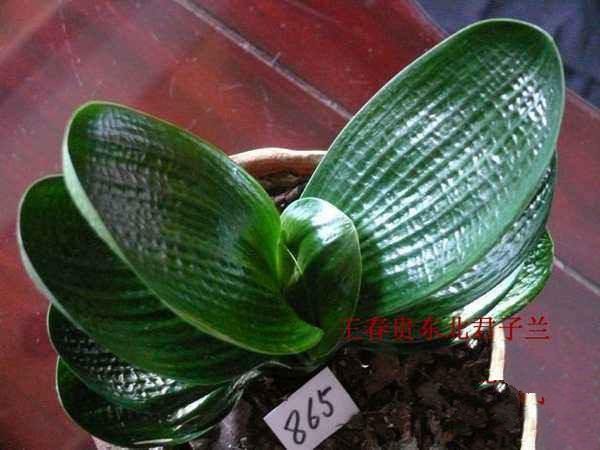
Under normal cultivation and management, clivia plants generally do not develop wrinkled leaves. The exception is some special rare varieties, but these varieties are also very uncommon. Because people are used to varieties with smooth, glossy leaves and clear, distinct patterns, plants with wrinkled leaves do not seem to be very popular among flower enthusiasts.
When wrinkled leaves appear on clivia, it usually happens only during a certain short period of time; after the plant grows for a while, the leaves naturally smooth out and the wrinkles disappear. The cause of this kind of wrinkled leaf on clivia plants is usually that after the clivia seedling was dug out, it was left unplanted for a long time, causing the relatively plump roots to dehydrate somewhat, and the outer basal leaves on the stem also dried out somewhat. Therefore, after the plant is planted, there will be a fairly long period of recovering from transplanting.
When the root system has absorbed enough water and the root tips can produce white crystal heads, it may already be more than a month since the orchid seedling was just dug out. This causes the heart leaves of the orchid seedling to remain cramped inside for a long time. Afterward, when it is planted in a pot, absorbs water, and begins to grow, the newly grown leaves often have some wrinkles. But after the plant grows two or three leaves, they will naturally smooth out.
Therefore, when buying clivia plant seedlings, if buying from a flower market, it is best to choose ones that come with potting soil. Or buy online some orchid plant seedlings shipped directly from a clivia cultivation base. Even if you must buy bare-root orchid seedlings from the market, choose plants with relatively plump and intact roots. Try to avoid buying plants whose roots are blackened, wrinkled, or have damaged or broken roots.