How to handle Phalaenopsis orchids after the flowers fade? Trim the flower stems in time and repot
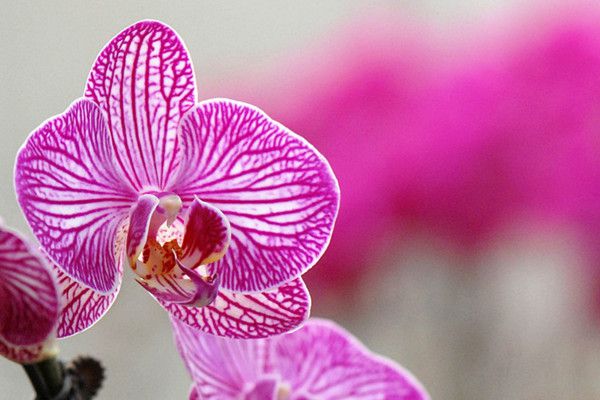
Phalaenopsis orchids have an elegant and charming form, and when in bloom they look like butterflies spreading their wings to fly. After the flowers fade, all the flower stems should be trimmed off to avoid consuming nutrients, and at the same time the plant should be repotted in time, cutting off the necrotic roots. Once the plant grows normally, topdressing can be carried out. Plants that have been trimmed and repotted need attention to later care so they can recover as soon as possible.
1. Trim the flower stems
After Phalaenopsis orchids finish blooming, the faded flowers and flower stems should all be trimmed off to avoid excessive nutrient consumption. Generally speaking, the flower stems are cut off from the very base of the plant to help it bloom better the following year. Or, if you want to enjoy the flowers as soon as possible, you can leave 4-5 nodes on the flower stem; with about 3 months of care, the Phalaenopsis can bloom again, but this is not good for growth and flowering the following year.
2. Repot in time
The flowering period consumes a large amount of nutrients for blooming, and by this time the nutrients in the potting soil have basically been used up, so the plant should be repotted in time after the flowers fade. When repotting, take the plant out, clean the soil off the roots, and cut off some necrotic roots. Be careful to prune lightly and not damage the roots. When replanting, scatter some expanded clay pebbles at the bottom of the pot to improve drainage, then add potting soil and 10 grams of sulfur powder to sterilize and lower the soil pH.
3. Supplement fertilizer
After the flowers fade, the plant will basically be in a nutrient-deficient state, so a small amount of nitrogen fertilizer and potassium fertilizer should be applied in time to replenish the nutrients consumed by flowering and allow the plant to grow smoothly. In winter, during the flower bud differentiation period of Phalaenopsis, a lack of fertilizer can easily lead to phenomena such as too few flowers or no flowers at all, so it must be supplemented appropriately.
4. Precautions
Plants that have been trimmed and repotted cannot be grown using the usual methods. After trimming, it is best to let the wounds slowly heal in a place with scattered light, avoiding strong direct sunlight. For repotted plants, fertilization needs to be paused and watering controlled, keeping the soil slightly moist; otherwise it will cause waterlogging and damage the roots.