What are the common problems of small-scale sheep farms?
Sheep are one of the main livestock species in China, and they are raised in basically all parts of the country. Although there are now quite a few large-scale sheep farms, there are still many small household farms in China. Compared with large-scale farms, small farms require less investment and carry lower risk, but they also have many problems. So what exactly are they? Today I have brought you the common problems of small-scale sheep farms. Let's take a look below!
1. Reluctant to use concentrated feed
When raising sheep, the choice of feed is very important. The feeding, types and nutritional ratios of feed are directly related to the growth and body condition of sheep. There is even a sheep-raising proverb: "A hundred treatments are not as good as one prevention (prevention), a hundred preventions are not as good as one grasp (grasping body condition)." Many small-scale sheep farms, when choosing feed for raising sheep, will choose to feed little or even not feed it at all because the cost of feed input is too high. If sheep do not have sufficient concentrated feed to supplement nutrition during their growth, it will affect their rapid fattening. This leads to various problems such as a longer time to market and poor physique, reducing breeding benefits.
2. Not paying attention to the sheep shed environment
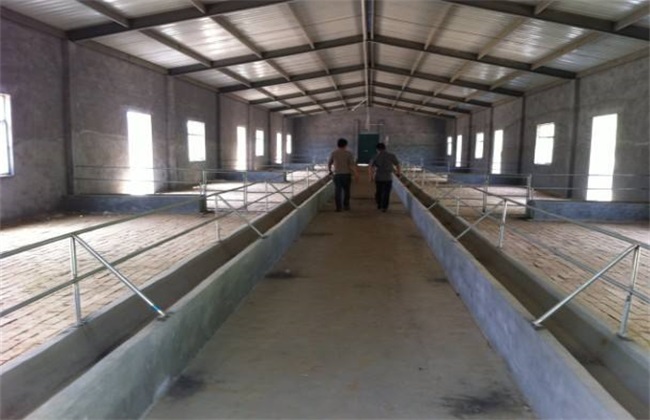
In many small household sheep farms, environmental problems are relatively serious. Traditional free-range households generally manage sheep extensively, resulting in a filthy and messy sheep shed environment. This not only causes mosquitoes and flies to fly everywhere, but also breeds a large number of pathogens and parasites. This causes the sheep's feed and drinking water to be contaminated, triggering various diseases. Therefore, we must pay attention to the environment of the sheep shed, regularly clean the sheep shed, replace the bedding straw, do a good job of ventilation and air exchange, and regularly clean up the sheep's excrement, so as to reduce the number of mosquitoes, flies, bacteria and parasites from the root and create a good growth environment for the sheep.
3. Not paying attention to disinfection
When raising sheep, if you want to ensure normal and healthy growth of the sheep until they are ready for market, then disinfection work is essential. However, many small-scale sheep farms fail to do a good job of disinfection because they find it troublesome, the investment is large, or for various other reasons. This leads to an overflow of pathogens and microorganisms, seriously inhibiting the growth of sheep. Therefore, small-scale sheep farms, like large-scale farms, must regularly disinfect the sheep shed, walls, fences, exercise yards and various utensils and equipment that sheep can come into contact with. Usually, disinfection should be done twice a week. If an epidemic occurs, then about two more times should be added each week, and it is best to alternate the use of disinfectants to ensure the disinfection effect.
4. Deworming not timely
During the growth process, sheep are not only troubled by diseases; the impact of parasites on their growth is also very great. At the same time, it is also a very big hidden danger in sheep production. If sheep suffer from parasitic diseases, then the sheep will not only be unable to gain body condition, but will also show various phenomena such as emaciation and poor vitality. The growth rate declines, and reproductive performance will also be greatly reduced as a result. In severe cases, it can even lead to death. This is also a problem that various small-scale sheep farms often ignore. In order to save expenses and reduce breeding costs, they do not deworm in time, otherwise the losses caused will be even greater, so everyone must pay more attention.
The above is a brief introduction to the common problems of small-scale sheep farms. That is all for today's introduction. This article is for reference only, and I hope it can help everyone!