How to Properly Care for a Phalaenopsis Orchid After the Flowers Fade
Phalaenopsis orchids are very beautiful and fragrant once in bloom, so many people like to keep one at home. However, many growers find that they don't know what to do after the flowers fade. Below, we'll teach you how to handle a Phalaenopsis orchid after the flowers fade. Let's take a look.
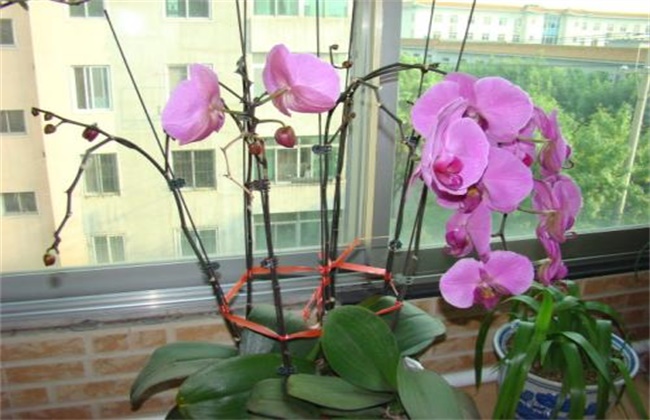
1. Prune the flower stalk
After the Phalaenopsis flowers fade, promptly prune off the faded flowers and flower stalk, which prevents nutrients from being excessively consumed. Generally, pruning starts from the flower stalk at the base of the plant, which benefits flowering the following year. If you want it to bloom as soon as possible, you can leave 4-5 nodes on the flower stalk, and with careful care for 2-3 months, the Phalaenopsis can bloom again, but doing so is not good for growth and flowering the following year.
2. Repot in time
The blooming period of a Phalaenopsis consumes a great deal of nutrients, and by this time the nutrients in the potting soil are basically exhausted, so it should be repotted promptly after the flowers fade. When repotting, first remove the plant, cut away some of the soil around the roots and any dead roots, and be careful with the pruning. Too heavy pruning may affect the plant's growth vigor. When planting again in a pot, sprinkle some expanded clay pellets at the bottom of the pot to improve drainage, then add fresh potting soil, and you can add a small amount of sulfur powder to sterilize and lower the pH.
3. Fertilize
After the flowers fade, the plant is basically in a nutrient-deficient state, so at this time a small amount of nitrogen fertilizer and potassium fertilizer should be applied promptly to replenish the nutrients consumed by flowering and allow it to grow and develop smoothly. However, pay attention to the method of fertilizing; it is not advisable to apply chemical fertilizer directly, as this will cause root burn. Instead, you can water it with a low-concentration fertilizer solution. In addition, during the flower bud differentiation period of Phalaenopsis in winter, if it lacks fertilizer, it is very prone to producing too few flowers or no flowers at all, so it needs to be supplemented appropriately.
4. Points to note
Plants that have been pruned and repotted cannot be cared for in the usual way. After pruning, it is best to place it in a spot with plenty of scattered light, which helps its wounds heal, and be careful to avoid intense direct sunlight. For plants that have been repotted, fertilization should be suspended, watering should be controlled, and the soil should be kept slightly moist; excessive watering can easily lead to waterlogging and root rot.
The above is an introduction to what to do with a Phalaenopsis orchid after the flowers fade. We hope it helps you. To learn more related knowledge, please stay tuned to us.