What to do when a peace lily wilts? I'll teach you the correct rescue methods.
The peace lily (Spathiphyllum) is a common flowering plant with high ornamental value and can play a landscaping role. Moreover, the peace lily can also filter waste gases in the air, such as ammonia, acetone, and so on, and its air-purifying ability is very strong. However, when we grow peace lilies, wilting often occurs. So what should be done when a peace lily wilts? Below, the editor will give a brief introduction for everyone. Let's take a look together!
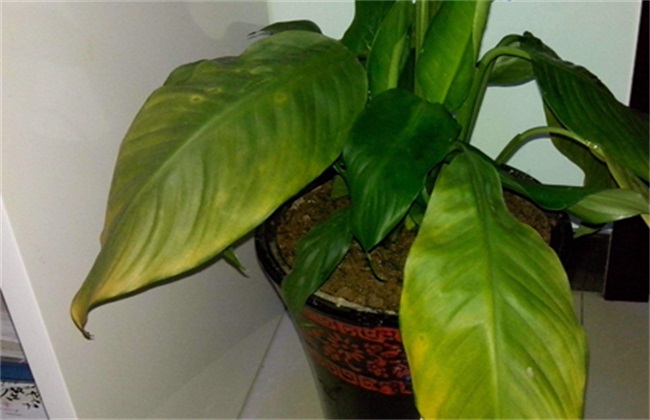
1. Replenish water and maintain moisture
When growing a peace lily, if it is not watered for a long time, the dry soil will cause the plant to gradually wilt due to lack of water. And if the air is too dry, the leaves will also wilt, curl, and show various other symptoms due to insufficient moisture. Therefore, we should pay attention to watering well and ensure the soil has sufficient water content. But also be careful with the amount of watering; do not overwater, to avoid waterlogging and root rot. At the same time, appropriately mist the leaves of the peace lily to increase air humidity, keeping it at around 70%. This can both prevent wilting and provide timely rescue after the plant has wilted.
2. Loosen the soil and change the soil
Soil is the main cause of peace lily wilting. If the soil is too sticky and heavy, has poor permeability, or has not been turned for a long time during cultivation, it will cause soil compaction, affecting the peace lily's root respiration and nutrient absorption. The leaves will also wilt due to insufficient nutrients. Therefore, when growing it, we should pay attention to loosening and changing the soil to improve soil permeability. If the soil compaction is very serious, then the soil should be changed to ensure the plant roots can breathe normally so that it can grow robustly.
3. Shade and avoid light
Although the peace lily needs a certain amount of light during growth, attention should also be paid to controlling light intensity. In particular, the leaves must not be exposed to direct strong light. If the peace lily is exposed to direct sunlight, it will accelerate water evaporation, and the leaves will be scorched, causing the peace lily to wilt. Therefore, we should pay attention to shading and avoiding light, providing a cool growing environment for the peace lily. As long as it is not exposed to strong sunlight, wilting will be reduced, and plants that have wilted due to strong light can gradually return to normal.
4. Temperature control
The peace lily likes to grow in a warm environment. Its cold tolerance is relatively poor. During cultivation, if the peace lily is kept in a low-temperature and humid environment for a long time, the impact on its roots will be very great, and root rot is very likely to occur. It will also suffer cold damage, causing the peace lily to lose growth vitality and gradually wilt. Therefore, in winter and other low-temperature seasons, attention should be paid to controlling the temperature well and avoiding temperatures that are too low. Of course, the temperature should not be too high either, and it needs to be kept within a suitable temperature range.
The above is a brief introduction to what to do when a peace lily wilts. That's all for today's introduction. This article is for reference only, and I hope it can help everyone!