What Causes Pleated Leaves in Clivia
During the growth of clivia, pleated leaves are a common occurrence, and once pleating appears, it naturally reduces the ornamental value of the clivia and makes growers feel uneasy. So what causes pleated leaves in clivia? Let's take a look together.
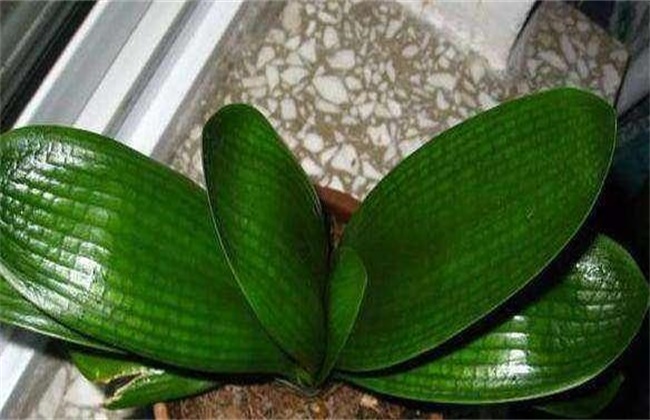
1. Normal physiological characteristic
Pleated leaves in some clivias are a normal physiological phenomenon. For varieties such as Quelan, Henglan and Changchunlan, it is perfectly normal for new leaves to appear wrinkled, and once the leaves unfold, they return to normal.
2. Improper fertilization
Applying a large amount of base fertilizer: although the fertilizer effect lasts a long time, once the fertilizer ferments its nutrients are released all at once, far exceeding the nutrients the plant needs, and the release period is rather short. Being in a state of excess fertilizer for a long time puts the root system in an abnormal absorption state, causing deformed leaf growth. Once pleated leaves are discovered, timely measures should be taken: repot and replace the soil promptly, switch to fresh suitable soil, and suspend fertilization until the plant grows new, flat leaves.
3. Transition from vegetative growth to reproductive growth
When the newly sprouted leaf buds of a potted clivia show wrinkles, it indicates that the plant is about to bolt and bloom. Clivia flowers are described as large spike-like flower buds, and there is also a thick flower scape. During the reproductive stage, the plant's vitality is rather tenacious; when its reproductive growth is underway, vegetative growth naturally takes a back seat. There is no need to worry excessively about this, nor to take any measures; just let nature take its course.
4. Low temperature and insufficient water
During the bud-sprouting period of clivia, if the temperature is too low and there is relatively little water, it can also cause wrinkled leaves. Therefore, during the budding period of clivia, ensure suitable temperature and sufficient water; when temperatures are low, find ways to raise the temperature, and when it is dry, water promptly.
The above is an analysis of the causes of pleated leaves in clivia. We hope it helps you. To learn more related knowledge, please stay tuned to us.