Detailed Explanation of Key Points for Breeding Meat Sheep and Breeding Rams
Meat sheep have the largest breeding area among the many directions of sheep farming. Mutton is very rich in nutritional value and contains a variety of nutrients beneficial to the human body. It is a very popular type of meat, and market demand in our country is also very large. When raising meat sheep, we must focus on the feeding of breeding sheep, as the quality of breeding sheep feeding is directly linked to breeding profitability. So today, the editor brings you the key points for breeding meat sheep and breeding rams. Let's take a look together!
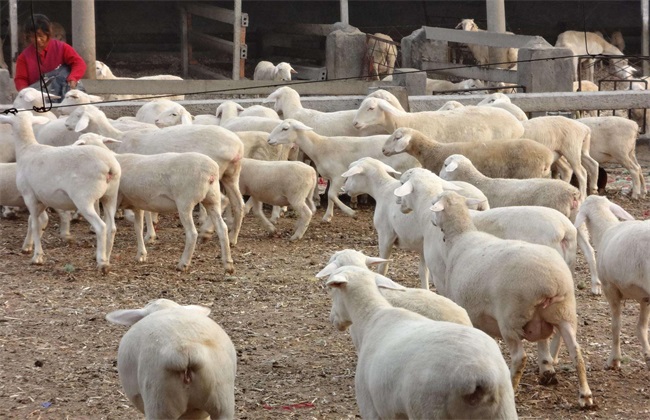
1. Pen Design
When choosing a site for building breeding sheep pens, they should be built in a place with high terrain, sufficient sunlight, and good ventilation and drainage capacity. The sheep house should also maintain good lighting and ventilation, and the temperature should be able to be reasonably regulated as the seasons change. Then, the area of the sheep house should be controlled according to the number of sheep raised and the structure of the flock. If breeding and raising are done independently, then the sheep house should include various facilities such as a fattening pen, a birthing room, pens for rams and ewes, and an exercise yard. The ground inside the sheep house must have a certain slope to facilitate the discharge of waste. Finally, a manure storage tank should be built outside the sheep house to facilitate the stacking and fermentation of manure and reduce pollution.
2. Feeding Methods
We should choose a suitable feeding method according to climate changes and forage grass resources in the breeding area. In seasons with lower temperatures, such as spring and winter, because forage grass resources are relatively scarce and cannot meet the growth needs of meat sheep, at this time barn feeding should be the main method to ensure that breeding sheep have sufficient nutrition. Forage should be fed in the morning and evening every day, and on sunny days they should also be properly grazed to increase the exercise amount of breeding sheep. On the contrary, in seasons with abundant forage grass resources and suitable temperatures, grazing can be the main method, with an appropriate amount of supplementary feeding to reduce breeding costs.
3. Reasonable Grouping
When raising breeding sheep, we should do a good job of grouped feeding for breeding sheep at different growth stages. For example, rams should be raised together, as should non-pregnant ewes, lactating ewes, and reserve sheep. In this way, it can be ensured that every sheep can grow normally and avoid the phenomenon of scrambling for food. It is also very easy to manage, and appropriate feed can be provided according to the different growth characteristics of each group of sheep. It can also prevent undesirable phenomena such as unauthorized mating and fighting during the feeding process, ensuring that the flock can grow normally.
4. Feed and Feeding
When feeding breeding sheep, attention should be paid to maintaining the comprehensive nutritional content of the feed, and the feed types should be rich. The main feeds are forage and concentrated feed, and an appropriate amount of green feed should also be included. Then different feeds need to be provided according to the different growth stages of breeding sheep. For example, non-pregnant ewes and reserve ewes can be fed the same feed. When feeding concentrated feed, the feeding amount should be controlled according to the body weight of the breeding sheep. Moldy and spoiled feed must never be fed, otherwise it will have a very large impact on the reproductive capacity of breeding sheep, leading to a decline in breeding profitability.
The above is a brief introduction to the key points for breeding meat sheep and breeding rams. That is all for today's introduction. This article is for reference only, and I hope it can help everyone!