What are the disadvantages of using bark to grow orchids?
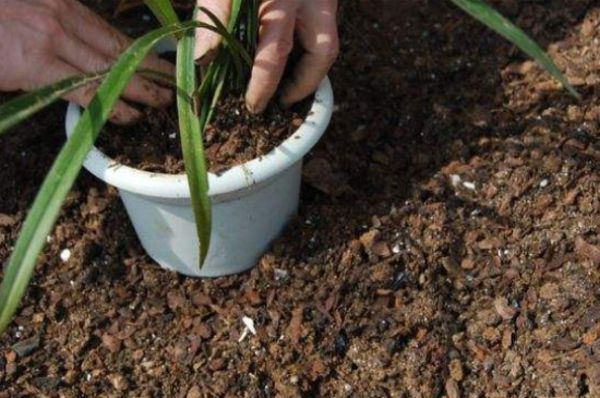
Growing orchids in bark also has many disadvantages. Generally, the cultivation time with bark is relatively short; over time the bark tends to rot, so it easily breeds pathogens, which is bad for root growth. At the same time, chemical fertilizer cannot be applied during this process, lest mixing them together causes the plant to lack nutrients. This is also its biggest drawback.
Disadvantages of growing orchids in bark 1. Short cultivation time
Many people like to use bark to grow orchids, as it can provide a large amount of organic matter, but the cultivation time is very short. Because bark has a certain limited lifespan, after many years, due to various factors such as moisture, temperature and disease, it easily rots, and at that point it is bad for the growth of the orchid.
2. Chemical fertilizer cannot be used
The growth of orchids cannot do without the nutrients provided by the substrate, nor without some chemical fertilizer materials. If bark is used to grow orchids, it is best not to use chemical fertilizer, otherwise, when the chemical fertilizer and bark mix and are acted on by moisture, over a long time the orchid will lack pigment and the branches and leaves will also become dull and lusterless. This is also one of its drawbacks.
3. Easily breeds pathogens
Growing orchids in bark mainly relies on bark that has been thoroughly decomposed and fermented. Because the bark rots under the action of high temperature during fermentation, if it is used to grow orchids, over a long time it easily breeds some pathogens, which is bad for the root growth of the orchid, so disinfection and sterilization treatment must be carried out frequently.
4. Nutrients are not comprehensive
In daily life, using bark to grow orchids is certainly good, as it can provide the nutrients the orchid needs, but orchid roots have relatively high nutrient requirements, and relying solely on bark to provide nutrients is far from enough. It should mainly be based on soil rich in nutrients, and fertilizer must also be applied as a top dressing during the growth period; bark can only play a supporting role.