Key Technical Points and Feeding Management Methods for Binary Sow Breeding
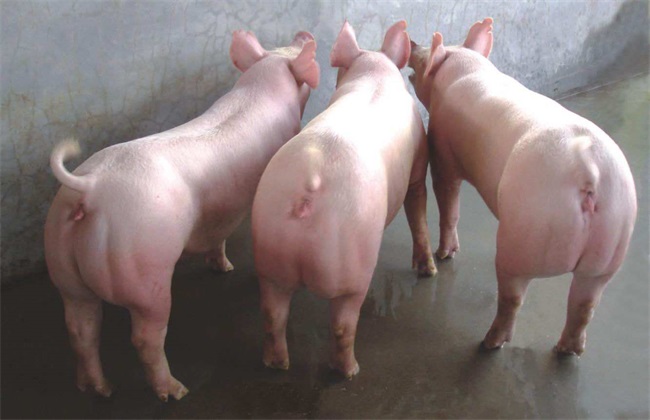
There are many pig breeds on the market today, and one of the more common ones is the binary sow. The binary sow is a first-generation crossbreed produced by crossing the Landrace pig with the Large White pig. Binary sows have many breeding advantages, such as a high farrowing rate, few cases of dystocia, and tolerance to coarse feed. So how should binary sows be raised? Below, the editor will briefly introduce the key technical points of binary sow breeding. Let's take a look!
1. Feeding Management
When providing drinking water to binary sows, pay attention to whether the drinking water is clean. Do not let them drink sewage or contaminated drinking water, to avoid adverse phenomena such as diarrhea in binary sows. Then, as with traditional pig farming, group separation should be done well according to sex, body size, and eating speed. Weaned piglets should be given sufficient space and time for exercise. The pigpen should maintain a dry and clean environment, and training for binary sows to defecate at fixed points should be done well. Finally, the feed can be mainly coarse feed, with coarse feeds such as corn, wheat bran, soybean meal, and fine rice bran as the main components, supplemented with appropriate amounts of high-quality fish meal, stone powder, and calcium hydrogen phosphate.
2. Daily Management
When raising weaned piglets of binary sows, pay attention to maintaining sufficient sunlight, controlling temperature well, and keeping a clean and dry environment. Before entering the pen, the pigpen should be thoroughly cleaned and disinfected. Then spread clean bedding material to ensure normal growth of the piglets. Then pay attention to controlling breeding density well. If the group is relatively large, or if the floor space per pig is not much while the number of feed troughs is too few, it is very easy to cause fighting among piglets. This leads to insufficient rest time for the pigs, affects eating, and causes stunted development. Therefore, pay attention to ensuring that each pig has at least 0.5 sq m of floor space.
After entering winter, especially in winter and early spring in the north, the temperature is very low. Binary sows have very poor cold resistance, so they often huddle together to sleep. In this way, piglets squeeze each other, making it easy for piglets to be crushed to death, and it is also easy to trigger diseases. This is very unfavorable for the growth and development of binary piglets. Therefore, be sure to pay attention to doing good work in cold protection and warmth preservation in the pigpen. If conditions permit, a warm shed can be built for raising them. Then, when the binary piglets grow to about two months or around 100 days, do good work in subcutaneous injection deworming.
3. Feeding Management
In the early stage of raising binary sows, simply let the binary sows eat freely. Then, when they grow to about 160 jin, begin using gilt feed and continue until estrus. During the first estrus period of the binary sow, if the age in days and body weight are both suitable, then mating can be carried out, and artificial insemination is best if possible. After mating, change the feed, with the daily feeding amount not exceeding 4 jin, and appropriately add green feed. Then after three months, begin feeding lactating sow feed, and finally after farrowing, feed according to the actual condition of the sow.
The above is a brief introduction to the key technical points of binary sow breeding. That is all for today's introduction. This article is for reference only, and we hope it can help everyone!