How do ducks successfully overwinter? Key points for winter feeding and management
The market demand for duck meat in our country is very large. Besides duck meat, duck eggs also have a very large audience. Therefore, the scale of duck farming in our country is still very large now. And now, as the temperature gets lower and lower, we are gradually entering winter. The overwintering of ducks in winter requires special attention from farmers. So how can we ensure ducks overwinter smoothly? Let's take a look together below!
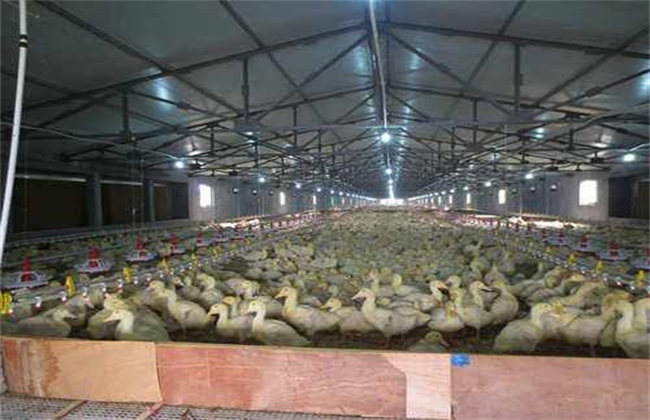
1. Strictly control room temperature
If you want ducks to spend the winter safely and healthily, then room temperature control is very important. When ducks overwinter, temperature directly affects the winter survival rate of ducks. The temperature must be kept at least above 5 degrees to allow ducks to overwinter safely and maintain a certain level of production. Every night after feeding, be sure to close the duck shed tightly. Outside the duck shed, you can surround it with grass, grain straw, etc., and then cover it with a layer of plastic film. Pay special attention to the straw covering on the roof, whose thickness must be kept at least above 5 cm.
2. Litter and feeding
After entering winter, we should spread at least about 30 cm of clean litter in the laying area of the duck house. Straw or rice straw can be used, and care should be taken to keep the litter dry. Then collect eggs every morning, and after collection, the old straw can be scattered in the house. Before the duck flock enters the duck house every night, add an appropriate amount of new straw. Then pay attention to doing a good job in feeding, because in winter, laying ducks must not only resist the cold but also lay eggs, so energy consumption is relatively high. Therefore, pay attention to appropriately increasing the proportion of energy substances in the feed, and then provide sufficient green feed to supplement vitamins for the laying ducks.
3. Night feeding and warm drinks
Winter is the season of short days and long nights, and the temperature at night is very low. So at night we should pay attention to appropriately adding one feeding of warm feed, which can not only supplement nutrition for the laying ducks and improve the ducks' cold resistance, but is also more beneficial to the ducks' egg production. Note that night feeding should mainly consist of high-energy feed. And warm drinking water should be supplied at the same time, because ducks consume a relatively large amount of heat energy in winter. When feeding concentrated feed, be careful to mix it with warm water, and the temperature should be kept at around 38 degrees. Ducks must never be allowed to drink cold water.
4. Artificial supplemental lighting
In winter, because the daytime is relatively short, the natural light duration is also not long. Therefore, the activity of the secretory glands in the duck pituitary gland will be reduced, affecting the egg production rate of ducks. At this time, we should pay attention to doing a good job in artificial supplemental lighting. Generally, the daily light duration should be kept at least around 16 hours, and lights should be turned on in the morning and evening every day for supplemental lighting. According to surveys, compared with no supplemental lighting, the egg production rate can increase by about 1/5. Finally, appropriately increase the stocking density. When overwintering, the stocking density of the duck flock should be kept at around 9 birds per sq m.
The above is a brief introduction on how to ensure ducks overwinter smoothly. That is all for today's introduction. This article is for reference only, and I hope it can help everyone!