How to remove ammonia gas from pig pens in winter? Practical ammonia removal methods shared
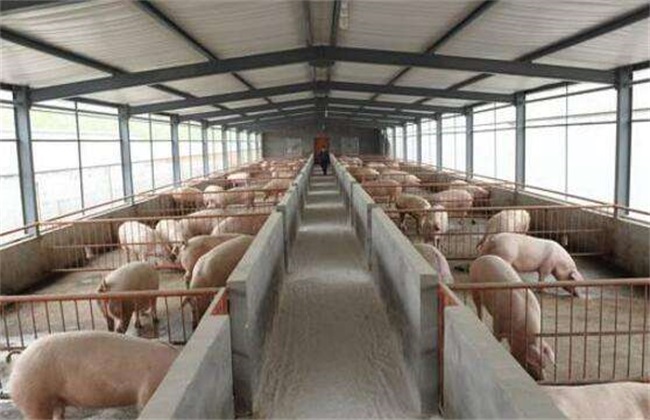
Winter temperatures are very low. To keep the pig pen at a suitable temperature and prevent excessively low temperatures from affecting pig growth, many pig farmers seal the pig pen tightly to prevent drafts from entering. Although this does keep the temperature well, a large amount of ammonia gas is easily produced in a sealed space. Ammonia gas can cause various respiratory diseases in pigs and is very harmful to their growth. So how do you remove ammonia gas from pig pens in winter? Let's take a look below!
1. Strengthen ventilation
The main reason for excessively high ammonia levels in pig pens in winter is that they are too sealed. Therefore, if you want to reduce the ammonia content in the pig pen, strengthening ventilation to expel the ammonia is the best option. There are many ventilation methods. If there is a fan, just turn on the fan. You can also open vents, doors and windows for ventilation to let the air in the pig pen circulate. However, note that when ventilating in winter, you must ensure the pig pen temperature is maintained. This should be done at noon or other times when the temperature is higher, to avoid the pigs catching colds from being exposed to wind.
2. Strengthen management
When raising pigs in winter, we must strengthen daily sanitation management of the pig pen. Manure, urine and other waste produced by the pigs must be removed promptly. Do not let the pigs drink contaminated water, and keep the pen dry and clean. Then check the feeding equipment regularly and wash and disinfect it to reduce sources of toxins and ensure the water source is clean enough. At the same time, also pay attention to the integrity of the drinking equipment. There must be no dripping or leaking, to avoid increasing the humidity in the pig pen.
3. Stocking density
In winter, because the temperature is very low, many farmers appropriately increase the stocking density to keep the pigs warm and raise their body temperature. Although this is indeed a good way to keep warm, you must not stock them too densely. If the stocking density is too high, it will also cause ammonia levels to rise and affect the pigs' growth and development. Therefore, when regulating pig stocking density in winter, we need a reasonable plan. For example, for finishing pigs, the floor area should be about 1.5 sq m, while for nursery pigs, it should be controlled at 0.5 sq m per pig.
4. Feed management
In addition, we can also add an appropriate amount of fermented feed to the pigs' feed, which can effectively reduce ammonia levels. This is because fermented feed can enhance the pigs' digestive ability, allow the pigs to fully use and convert the feed, and improve feed utilization. It can also avoid imbalance in the pigs' gastrointestinal flora and reduce the waste produced after digestion. With less waste, ammonia levels will naturally decrease, thereby achieving the purpose of removing ammonia.
The above is a brief introduction to how to remove ammonia gas from pig pens in winter. That is all for today's introduction. This article is for reference only, and I hope it can help everyone!