How can you tell if an orchid has settled into its pot? These signs are all you need
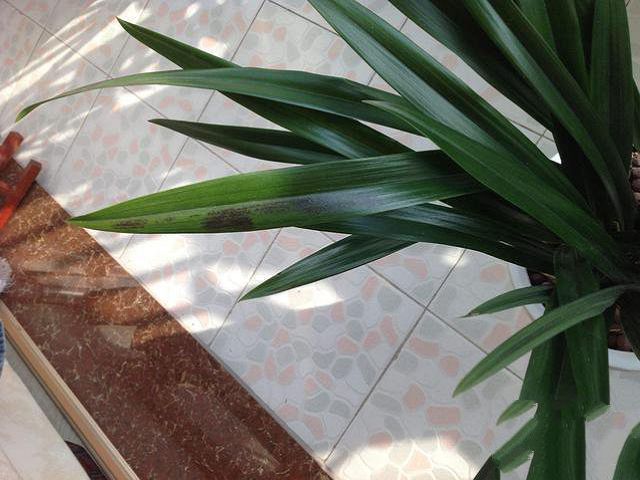
Orchids are a bit different from other flowers. Their leaves are tough and flexible, so after planting it is relatively hard to tell whether they have actually settled in. Even if they have not settled in, the leaves will still stand upright and stay green for a short time, unlike other flowers whose leaves wilt and lose color. The settling-in period for orchids varies in length. A short one can settle in within a week, for example if you bought it at a local market and planted it with its original soil. A long one may take several months to settle in, for example if you bought it online from a distant place. To judge whether an orchid has settled into its pot, we mainly look at the following three points.
1. Look at the gloss of the leaves
The first thing to check when judging whether an orchid has settled in is the gloss of the leaves. If the orchid has not settled in, its roots are not properly drawing water and nutrients from the soil. Although the leaves will not wilt immediately like those of other plants, their gloss will gradually fade and they will become dull and lackluster rather than shiny. If the orchid has settled in, its roots are working normally and nutrients and water can be delivered to the leaves in time, so the leaves will gradually become glossy and look full of life. In addition, the feel of the leaves differs depending on whether the orchid has settled in. Before settling in, they feel a bit soft and the texture is poor. After settling in, they feel firm and the texture is strong.
2. Look at the tips of new leaves
The second thing to check when judging whether an orchid has settled in is the tips of new leaves. If the orchid has not settled in, the tips of new leaves extend very slowly, or stall completely, with little growth visible for days. If the orchid has already settled in, the tips of new leaves will extend quickly, and you will feel that a section has emerged within a few days. If it is hard to judge with the naked eye whether the tips of the orchid's new leaves have grown, you can measure them or make some kind of mark, and check once a week. Obvious growth means it has settled in, and you can gradually move into normal care, give it some sunlight appropriately, and apply a thin dose of fertilizer.
3. Look at whether new shoots are growing
The ultimate sign for judging whether an orchid has settled in is whether new shoots are growing. Whether they are flower buds or leaf buds, as long as new shoots appear, it means the orchid has fully adapted to the home environment and is growing vigorously. However, newly purchased orchids often need several months to grow new shoots, and some do not grow any new shoots at all in the first year, only starting in the second year, so you need to wait patiently. It is enough if the leaf color is normal and the new leaves are growing. Do not dig it out and replant it just because it has not grown new shoots; every time you plant an orchid, it is a serious shock to it.
The above three points judge whether an orchid has settled in based on whether it is growing. In fact, you can also judge from some other symptoms of the orchid, such as the outer leaves gradually turning yellow, the leaf tips gradually drying up, and the pseudobulb gradually shriveling. All of these indicate that the orchid has not settled in and is heading in a bad direction, and further measures are needed to save it. For experienced growers, the feeling of an orchid having settled in and not having settled in is completely different, and it is fairly easy to judge. For inexperienced growers, judging is a bit difficult and requires more study.