Reasons for Blackening Leaves of Phalaenopsis and How to Fix It
Phalaenopsis (moth orchid) is fairly common in our daily life. Its flowers resemble butterflies with spread wings, which is why it is so popular with many people. Its ornamental value is very high, but Phalaenopsis is not as easy to grow as one might imagine. For example, blackening leaves are a frequent problem during cultivation. So what should you do when Phalaenopsis leaves turn black? Below, the editor gives a brief introduction for everyone. Let's take a look!
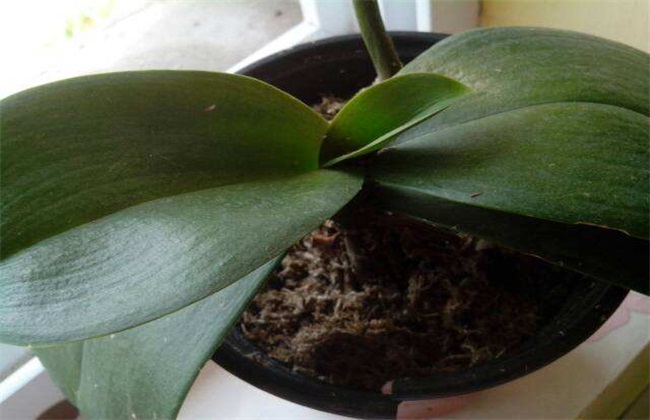
1. Provide Shade in Time
Phalaenopsis is a flower that prefers growing in semi-shaded environments, and its tolerance for strong light is rather poor. If exposed to strong light, the leaves are easily scorched, photosynthesis in the leaves is hindered, and black spots and drying gradually appear. Therefore, when caring for Phalaenopsis, pay attention to creating a cool, ventilated environment for it. Avoid direct sunlight on the leaves and provide only an appropriate amount of scattered light. When the sunlight is strong at noon, be sure to shade the plant well to ensure normal growth of the Phalaenopsis.
2. Improve Ventilation
During growth, Phalaenopsis has rather high requirements for air quality. If air quality is too poor, the impact on its growth is quite significant. Therefore, pay attention to ventilation to improve air quality. Moreover, if there is no ventilation for a long time, humidity will become too high and harmful gases will be produced, damaging the leaves and causing them to turn black. So we must ensure good ventilation and air permeability, expel harmful gases, and regularly wipe the leaves of the Phalaenopsis plant to keep them glossy.
3. Fertilize Reasonably
Improper fertilization is also a main cause of blackening leaves in Phalaenopsis. When fertilizing, if the fertilizer accidentally drips onto the leaves, the heat generated by the fertilizer will scorch the leaves and cause fertilizer burn, leading to black spots on the leaves that gradually turn black. So when fertilizing, be careful and apply it lightly. Never let fertilizer drip onto the leaves. If it does drip on them, promptly rinse it off with clean water, which can save the leaves right away. If it can no longer be saved, then remove the affected leaves.
4. Prevention and Control of Anthracnose
Anthracnose can also cause Phalaenopsis leaves to turn black. Especially during the high temperatures of summer, if air circulation is poor, Phalaenopsis is highly susceptible to anthracnose, and the first symptom of anthracnose is black spots appearing on the leaves. To prevent and control anthracnose, first place the Phalaenopsis in a cool and ventilated spot, and regularly spray water to lower the temperature. Then cut off the diseased leaves to prevent the disease from spreading, and appropriately spray carbendazim about once every two weeks to avoid recurrence.
The above is a brief introduction to what to do when Phalaenopsis leaves turn black. That's all for today's introduction. This article is for reference only, and we hope it can help you!