What are the precautions for raising fattening pigs?
For pig farming, raising fattening pigs well is a matter of absolute profit for a pig farm. The core of feeding fattening pigs is to use less feed, let the pigs grow more healthily and faster, and produce more lean meat at slaughter, so that the returns from pig farming can be maximized. So what should be noted in fattening and feeding? Let's take a look.
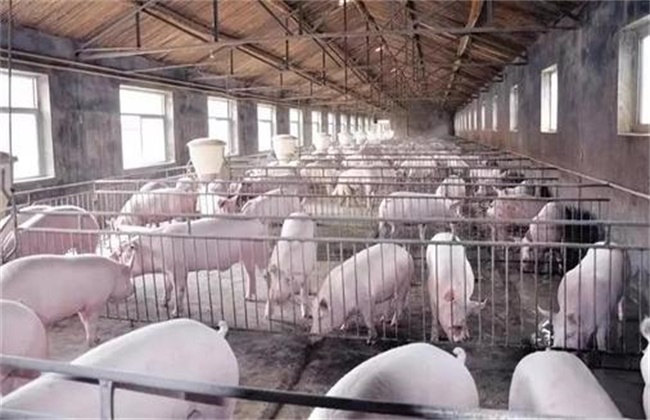
1. Pay attention to stocking density and grouping
Pig farmers should raise pigs of similar weight together, keep boars and sows in separate groups, and raise weak and sick pigs separately. After grouping, try not to regroup them later, so as to avoid fighting that affects the growth of fattening pigs. When grouping, attention should be paid to stocking density as one factor. Generally, it is appropriate to raise 10-12 fattening pigs per pen, with each fattening pig occupying about one square meter of space.
2. Castration
For fattening pigs, whether boars or sows, castration is required, that is, being gelded. After fattening pigs are castrated, their sexual development stops, which makes management more convenient, and the feed conversion rate is extremely high, growth is faster, and the pork quality is also better, without that gamy smell. Therefore, all pigs used for fattening must be castrated before fattening.
3. Pay attention to the feeding environment
During fattening, the pig house must be kept clean and hygienic, disinfection work must be done well, good ventilation must be ensured, and temperature must be noted. Generally, the optimal fattening temperature is between 15-21°C. Fattening is appropriately slower under high summer temperatures, and lower winter temperatures also affect the fattening speed. If the temperature is below 5°C, the weight gain speed of fattening pigs will plummet by more than 50%. Therefore, fattening is mostly chosen in spring and autumn, when the climate is suitable and fattening pigs can grow faster. In addition, during fattening, keep the pig house as quiet as possible to avoid sudden disturbances and noises causing the pigs to scream and run, so as to reduce stress in the pig herd and its impact on fattening.
4. Pay attention to feeding methods
The feed for fattening pigs should be kept as stable as possible, and feed should not be changed easily. If a change is needed, a transition period of about one week is required. When feeding, it is better to use the method of small meals and multiple feedings, and residual feed should be cleaned up in time to prevent it from becoming moldy and being eaten by mistake by the pigs. Drinking water must be sufficient. Generally, each kilogram of dry feed requires 5-8 kilograms of drinking water.
5. Do a good job in disease prevention and control
The pig house is generally cleaned twice a day, and manure should be promptly cleared to the manure collection area. Vaccination and immunization work should be done well. During the breeding process, observe more, especially whether appetite has decreased, whether feces are normal, and whether spirit and behavior are normal. Once abnormalities are found, diagnose and treat them in time. In addition, in order to effectively address parasites and their impact on the growth speed and health of fattening pigs, deworm once after weaning and once before fattening.
The above is an introduction to the precautions for raising fattening pigs. I hope it can help you. If you want to learn more related knowledge, please follow us.