What are the effective ways to reduce costs in pig farming
Pig farming is a common rural breeding industry, but different pig farmers have different costs and profits. If farmers want to earn more income, they must start with the cost of pig farming and obtain the greatest profit at the lowest cost. This is what a pig farmer should consider. So how should pig farming costs be reduced? Let's learn about it together.
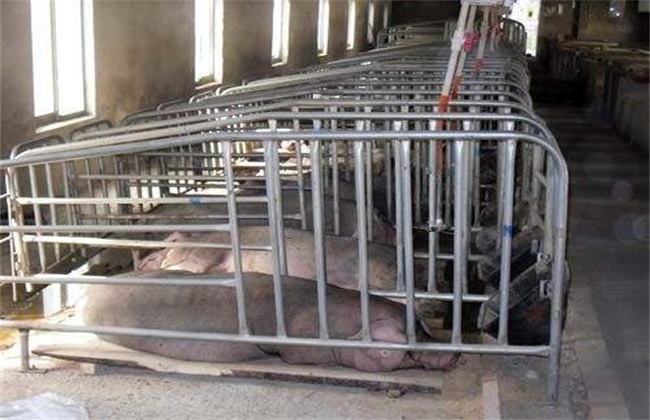
1. Castrate in time
In the process of pig farming, if you want to improve feed conversion rate and make pigs grow faster, you must castrate them in time, because due to sex hormones, pigs are active and prone to fighting, which leads to slow growth and also reduces feed conversion rate. After castration, their temperament becomes much gentler and easier to manage, and they often eat then sleep and sleep then eat, so they grow quickly, which can greatly improve feed conversion rate. Generally, castration is carried out when piglets are one week old.
2. Establish a scientifically planned feeding method
According to the development pattern of pigs growing slowly in the early stage, quickly in the middle stage, and slowly again in the later stage, in order to obtain higher feed returns, a straight-line fattening feeding method can be adopted to shorten the feeding cycle and save feed. At the same time, when feeding, a reasonable combination of concentrate feed, coarse feed and green feed should be implemented, and a wet-mixed feed feeding method should be used. When feeding every day, a three-meal-a-day system should be adopted, which can reduce frequent feeding that stimulates the pig herd to move, causing unnecessary energy consumption and feed waste, and lowering feed utilization rate.
3. Deworm regularly
Parasitic infection is a major factor affecting the growth and development of pigs. It is a nutrient-consuming disease. Many farmers will find during pig farming that the pigs eat quite a lot every day, but they just do not gain meat. This is caused by parasites. They absorb many nutrients, causing pigs to grow slowly, so it is recommended that pig farms deworm 2-3 times a year. Deworming can be chosen in spring and autumn, when parasites are highly prevalent. If the parasites are severe, the number of dewormings can be increased accordingly.
4. Suitable environment
The construction and layout of the pig house should be reasonable. During breeding, the pen should be kept dry and hygienic, with good heat dissipation in summer and good warmth in winter, creating favorable conditions for the growth and development of the pig herd, reducing the occurrence of diseases as much as possible, lowering maintenance consumption, and improving feed utilization rate. The suitable growth temperature for pigs is 17-21 degrees. Too high or too low will cause their growth rate to slow down.
The above is an introduction to how to reduce costs in pig farming. We hope it can help you. To learn more related knowledge, please follow us.